Anyone who chooses to build with natural materials today is usually looking for more than just an insulation material. The demand is for materials that make sense from a building-biology perspective, have an excellent carbon footprint and have proven themselves in practice. Hemp blocks (hemp-lime) are increasingly coming into focus. They combine thermal insulation with high capillary activity and thermal mass – a combination that has often been lost in modern solid construction.
Why hemp? The material properties in detail
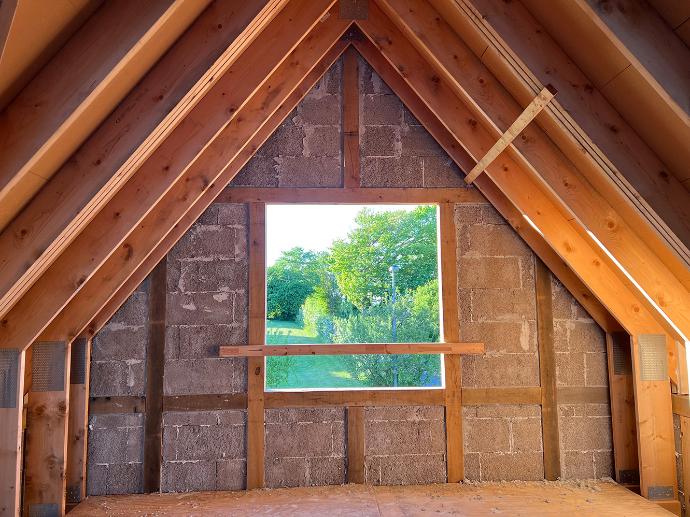
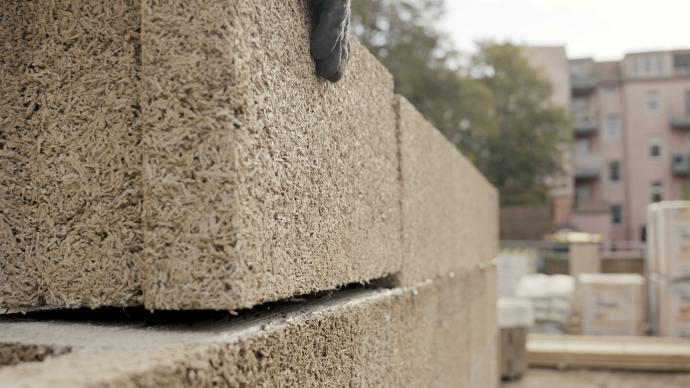
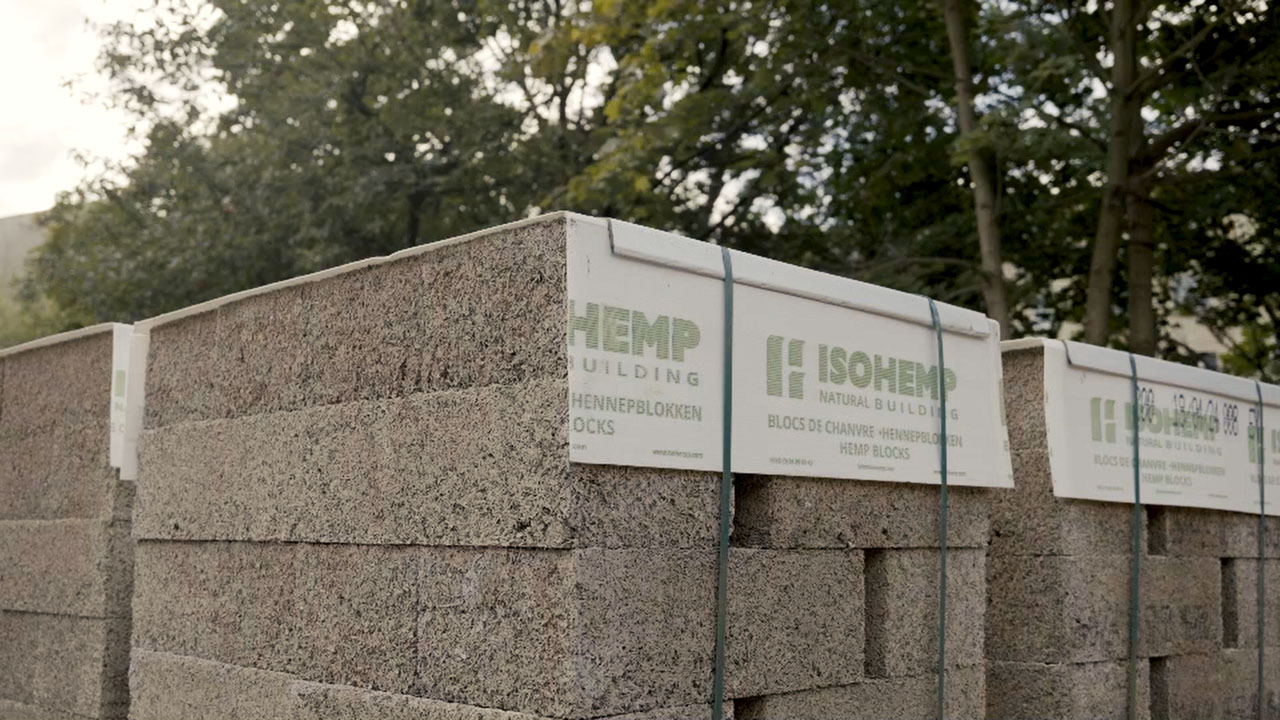
Hemp blocks are essentially a composite of Hemp shives and lime as a binder. Designed as non-load-bearing masonry, they enclose a load-bearing structure (e.g. made of timber, sand-lime brick or concrete). The decisive advantage lies in the phase shift: in summer, the blocks provide effective protection against overheating, while in winter they keep the heat inside the house.
At the same time, they buffer moisture extremely well. Their high vapour permeability prevents condensation from forming, which reduces the risk of mould and ensures noticeably better air quality.
Hemp blocks in practice: three approaches
1. Urban densification in Berlin
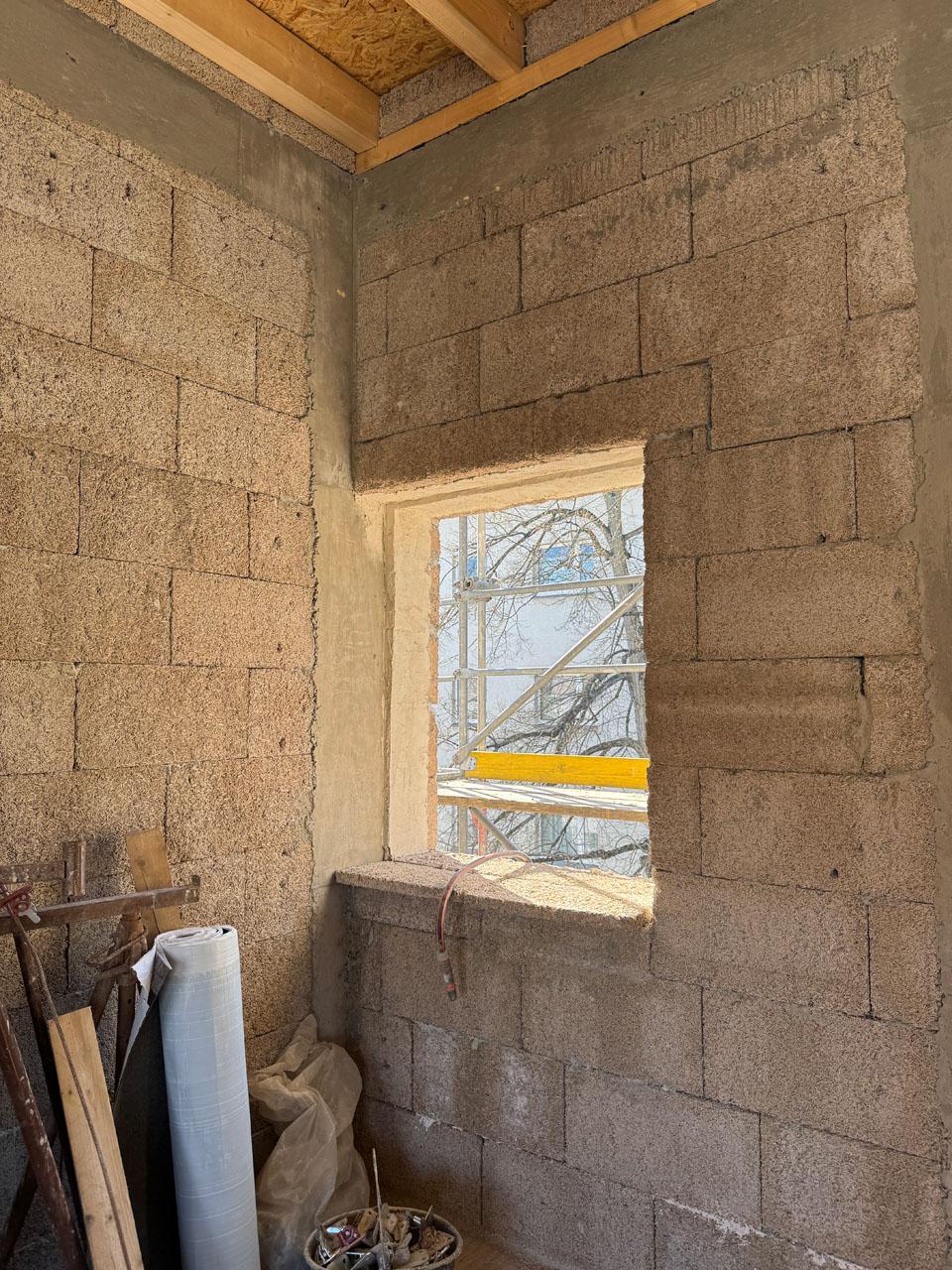
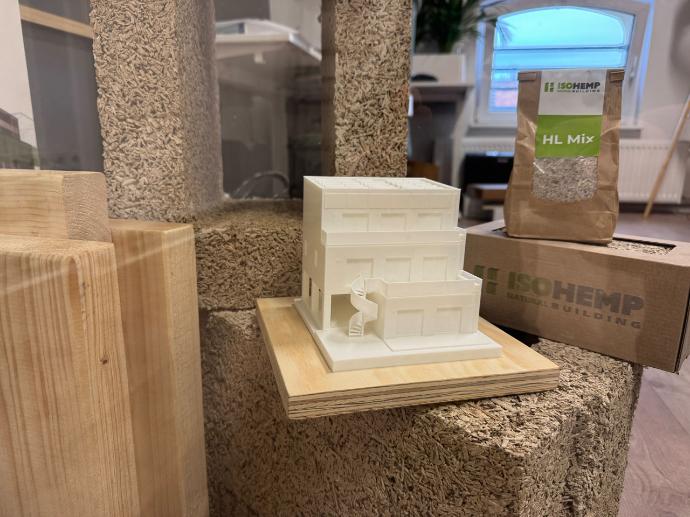
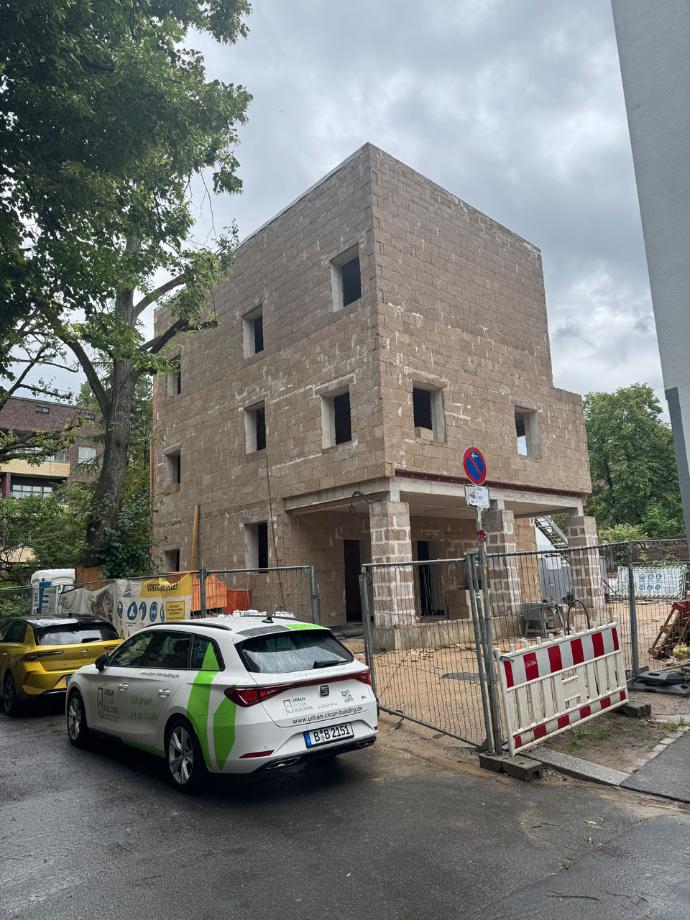
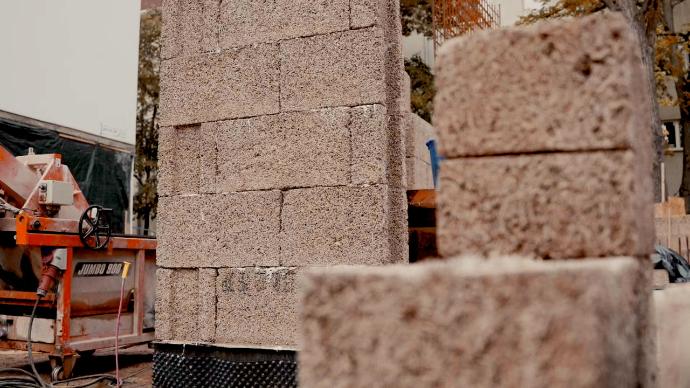
In a vacant lot in Berlin, a three-storey townhouse is currently being built that relies entirely on hemp building materials. Situated between two fire walls, the project shows how Hemp blocks also work in tight urban spaces. Alongside the CO₂ balance (during its growth, hemp stores more CO₂ than is released during the production of the blocks), sound insulation is the key argument here. The material noticeably dampens urban noise and creates a quiet retreat inside. You can find out more about this unique project at Hemp! there it is and on urbancleanbuilding.de, the website of architect Michael Bader.
2. Commercial and residential combined: Halle (Saale)
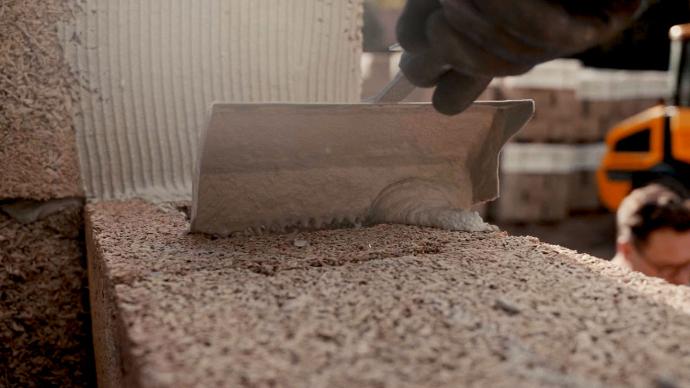
For the new build of a horticultural business in Halle, the priority was cost-effectiveness combined with high standards in the choice of building materials. Here, 15 cm thick hemp blocks were placed as an outer envelope in front of a calcium silicate masonry structure. This combination makes use of the load-bearing capacity and mass of the calcium silicate masonry on the inside and the insulating performance of the hemp on the outside. This system is particularly interesting for you as a self-builder: the large-format blocks can be cut precisely with hand-held tools and are easy to work with.
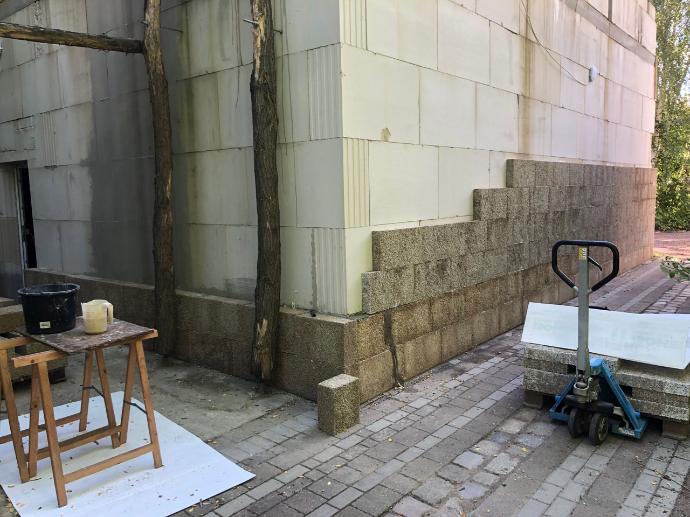
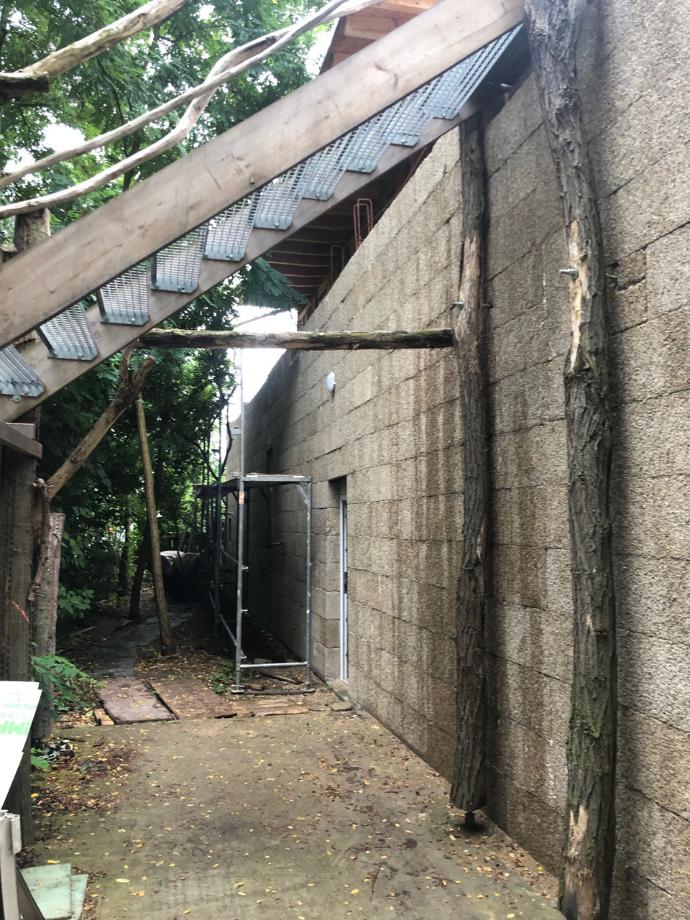
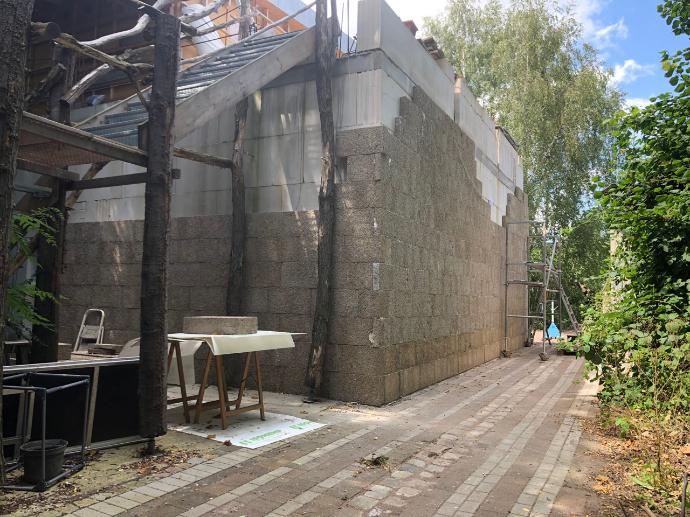
3. Renovating existing buildings: half-timbered house on Fejø
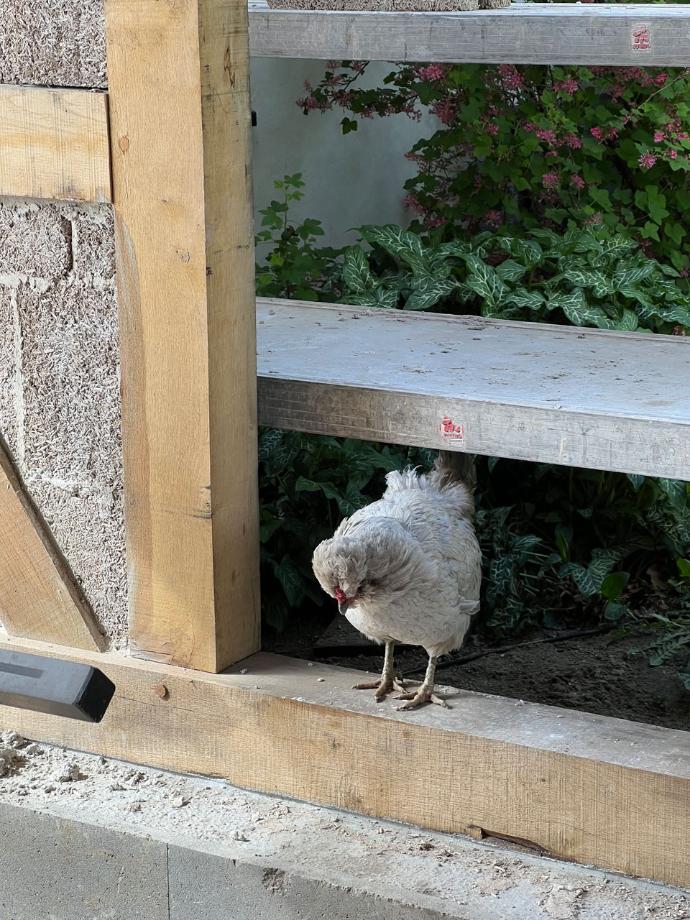
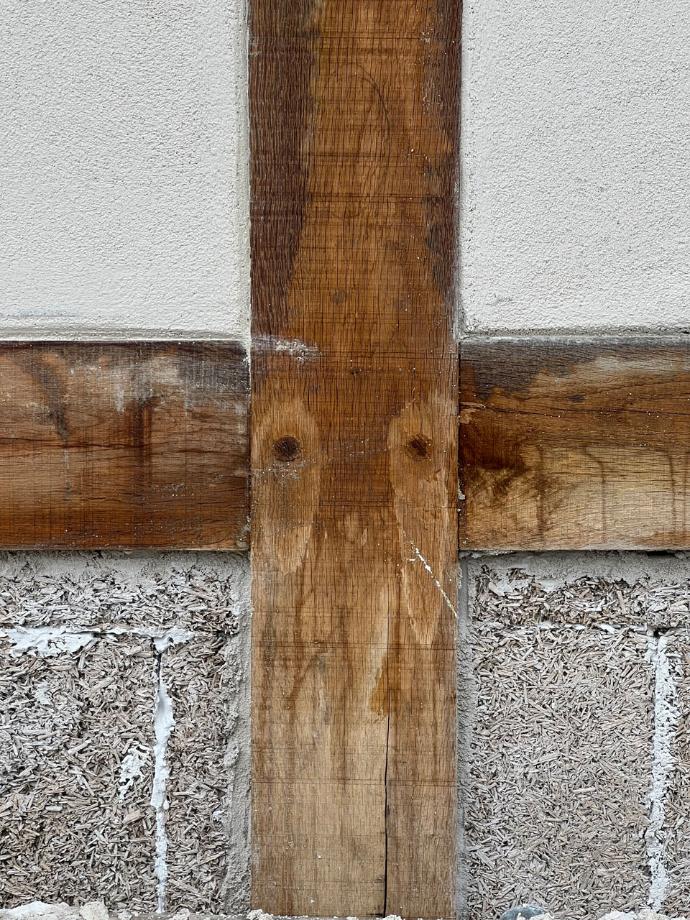
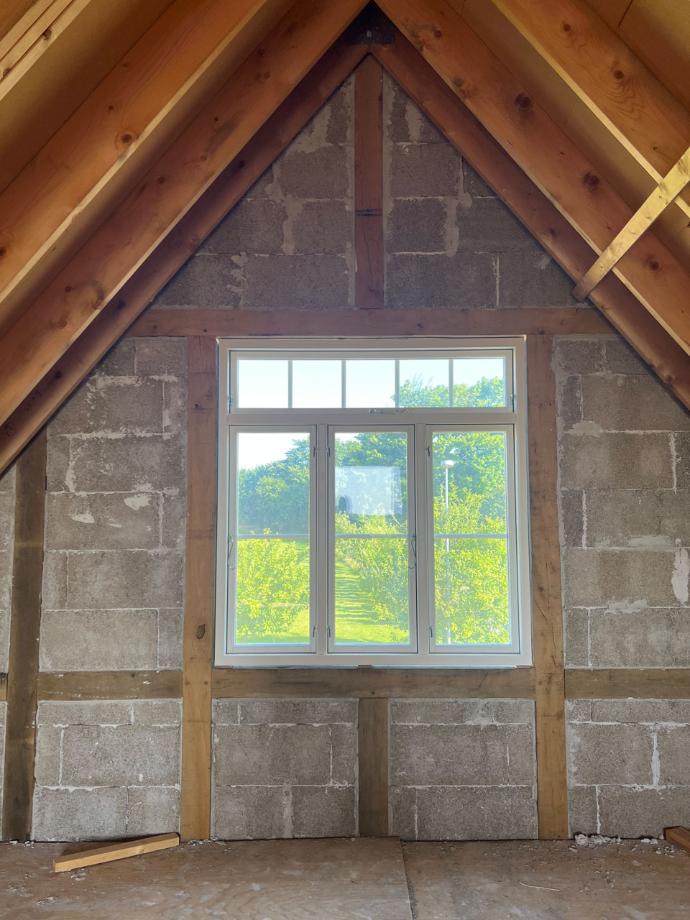
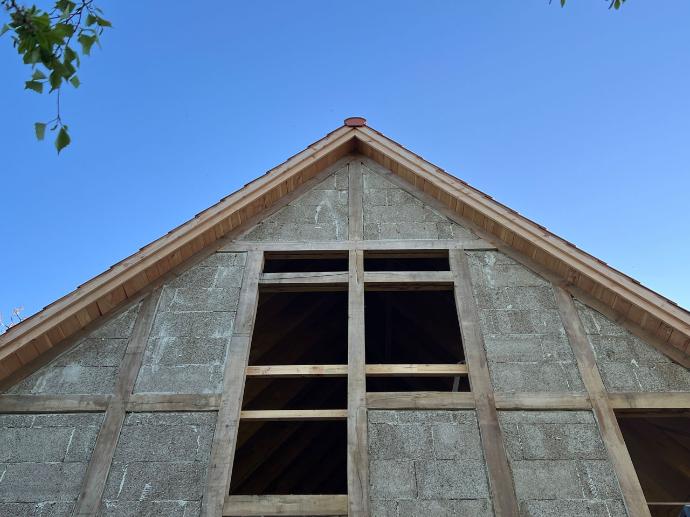
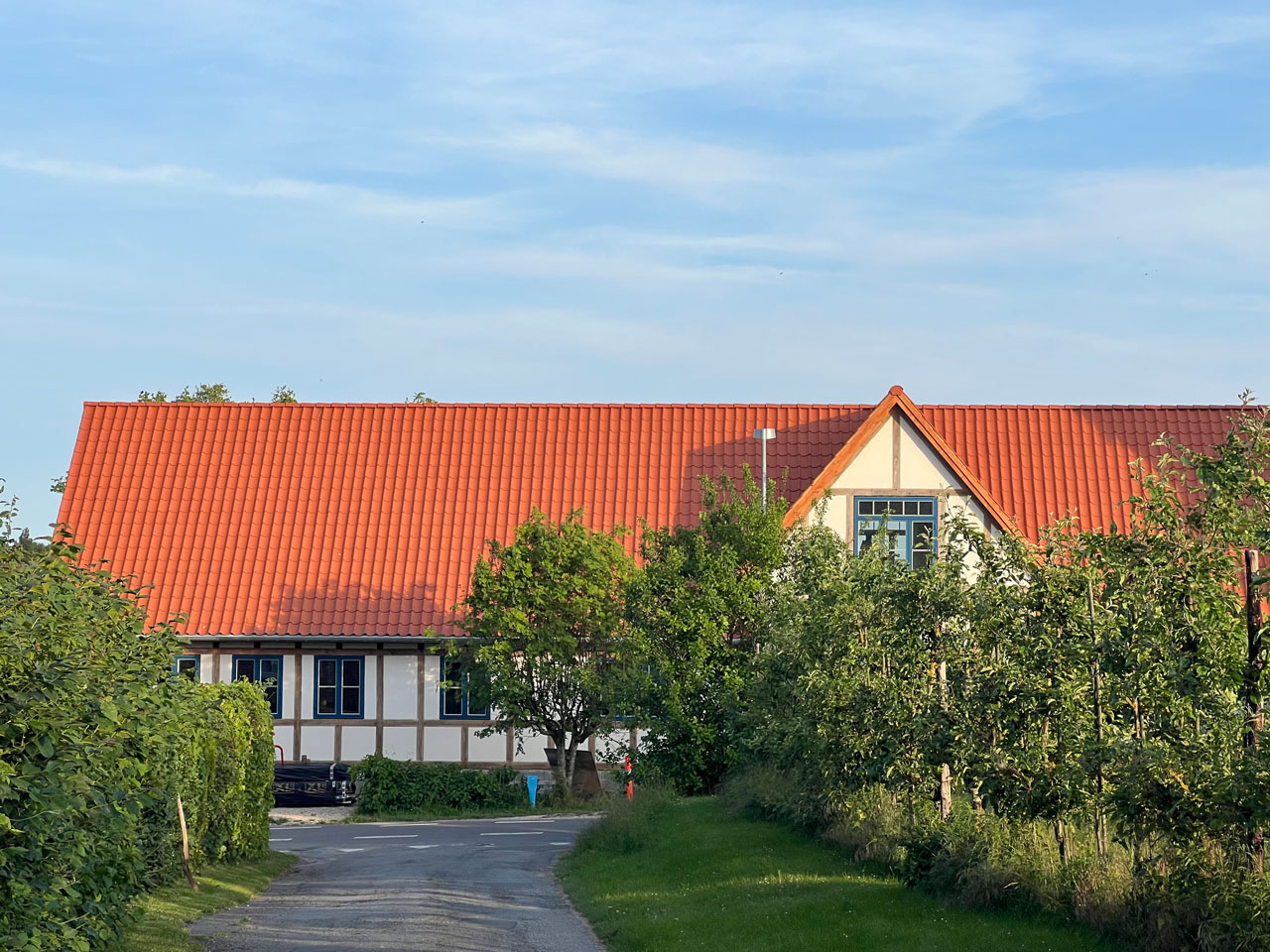
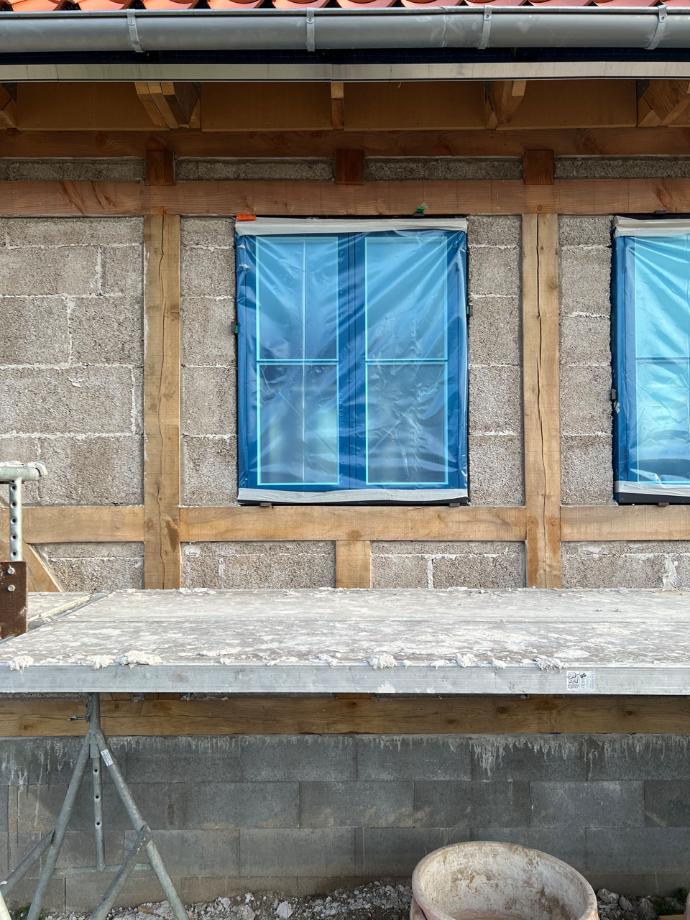
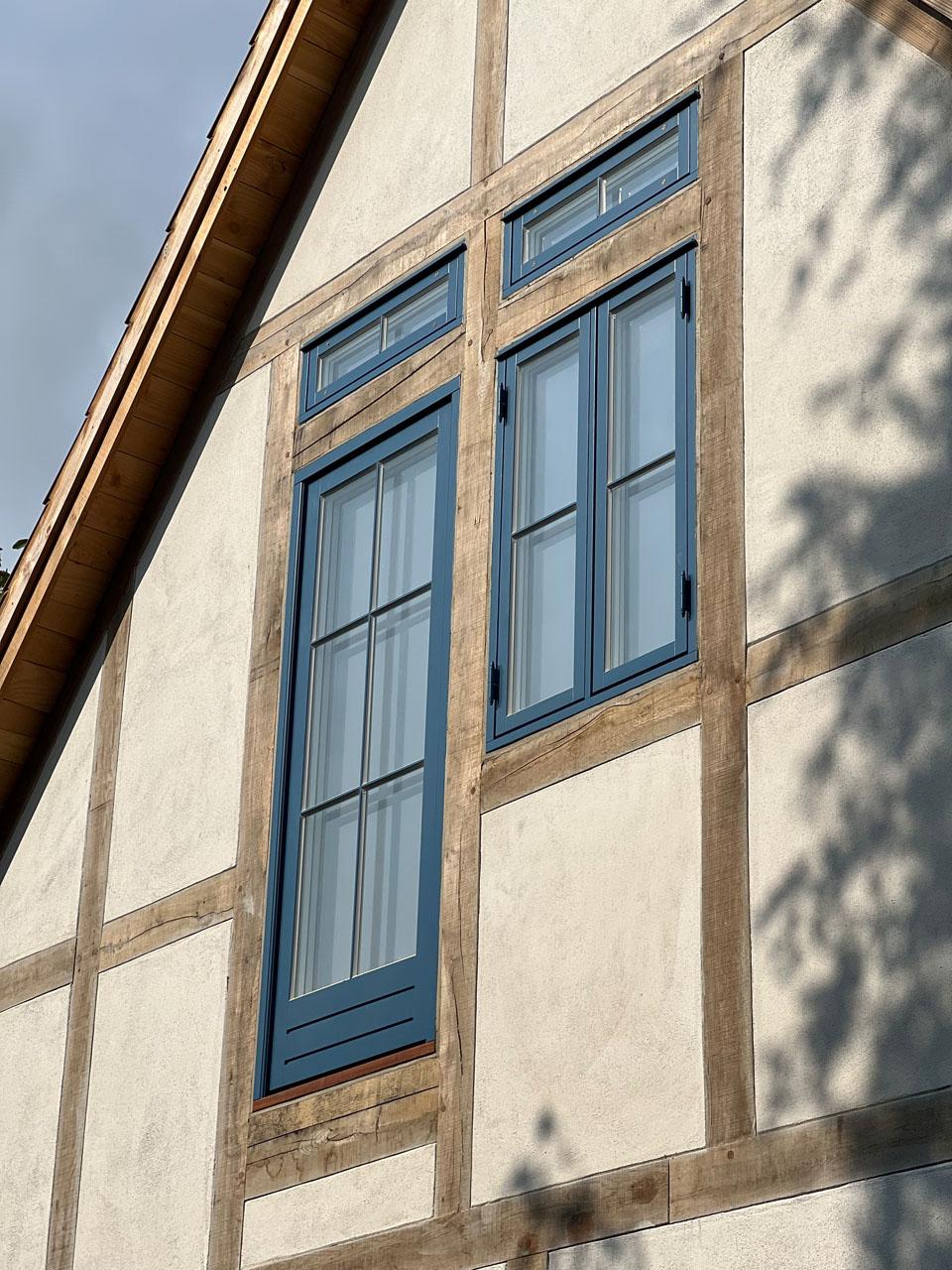
The Hemp blocks harmonise superbly with historic structures, as a project on the Danish island of Fejø shows. During the renovation of an oak timber frame, the infill panels were filled with 9 cm thick hemp blocks. On the inside, an additional hemp lining ensures comfort. What matters in projects like this is the system: a mineral Lime base plaster (like the HP 9) and a vapour-permeable paint finish (e.g. the titanium dioxide-free silicate paint BEECKOSIL) ensure that the wall remains capillary-active and that moisture can be transported away unhindered.
What matters during installation
If you are planning, Hemp blocks to use it, you should bear three points in mind:
The first course is crucial: as with any thin-bed block masonry, a perfectly level first course determines the success of the entire wall.
System consistency: hemp works best in combination with mineral plasters. Clay plasters indoors ideally complement the moisture-regulating properties of the hemp.
Structural protection: when planning, pay attention to details such as roof overhangs and vapour-permeable sarking boards in the roof area, to protect the structure from the weather in the long term.
Hemp blocks are not a “trend product” but a logical answer to the question of how we can build solidly today while still using natural building materials.