At the heart of nature-oriented building lies the conscious use of natural building materials. This pursuit of balance leads us to take a critical look at traditional building materials, including gypsum. As a raw material from the earth, gypsum appears at first glance to offer numerous advantages in the construction industry. On closer inspection of how it is extracted and used, however, aspects emerge that need to be critically questioned.
Origin and extraction of gypsum
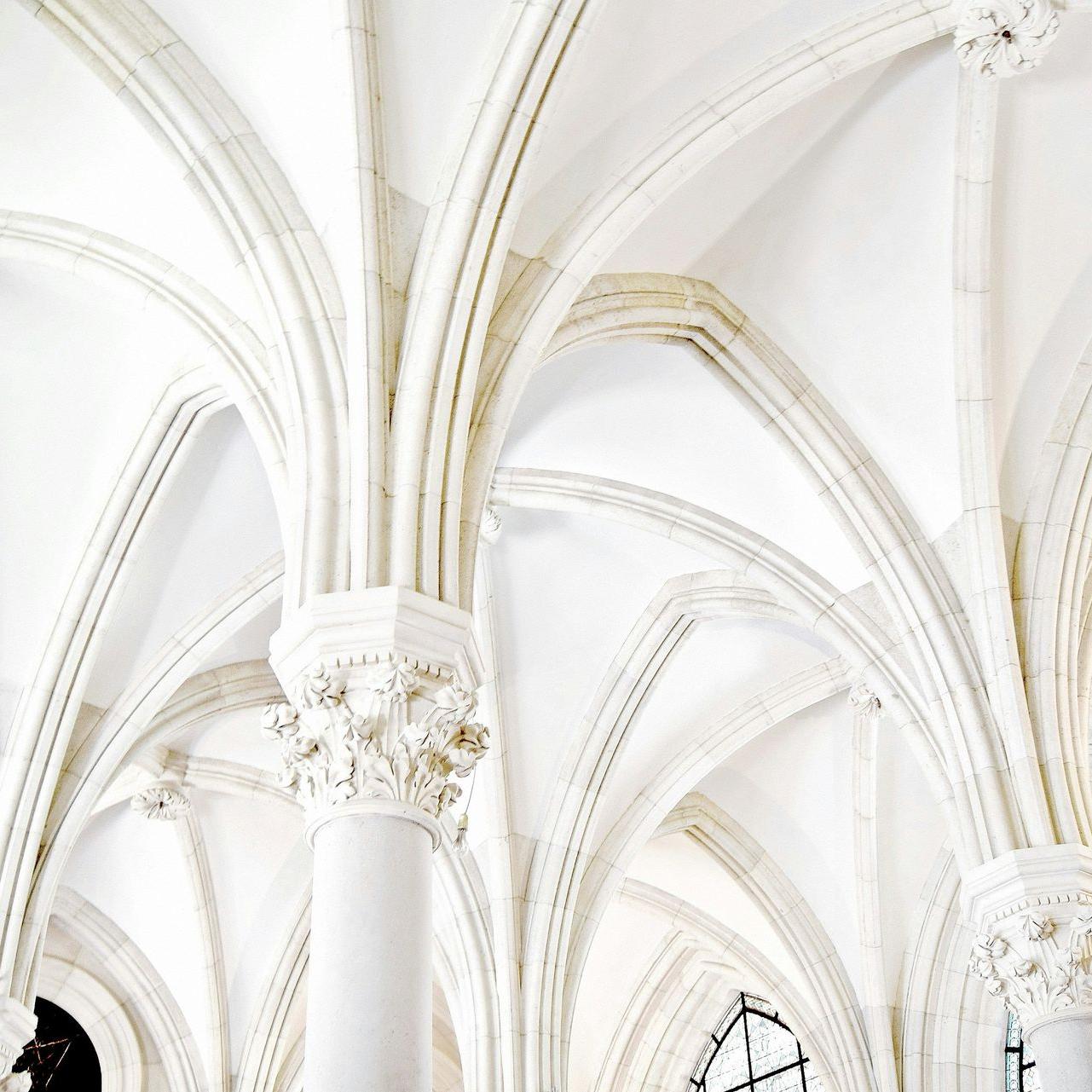
Gypsum, known chemically as calcium sulphate dihydrate, is predominantly obtained through mining. This natural stone is extracted in large quantities, crushed and converted into a usable state by heating. In natural gypsum mining areas, which often constitute valuable habitats, gypsum extraction has a profound impact on ecosystems. Underground mining is less invasive; it is practised in regions such as the Paris Basin, the source of the stone that gives Paris its unmistakable appearance.
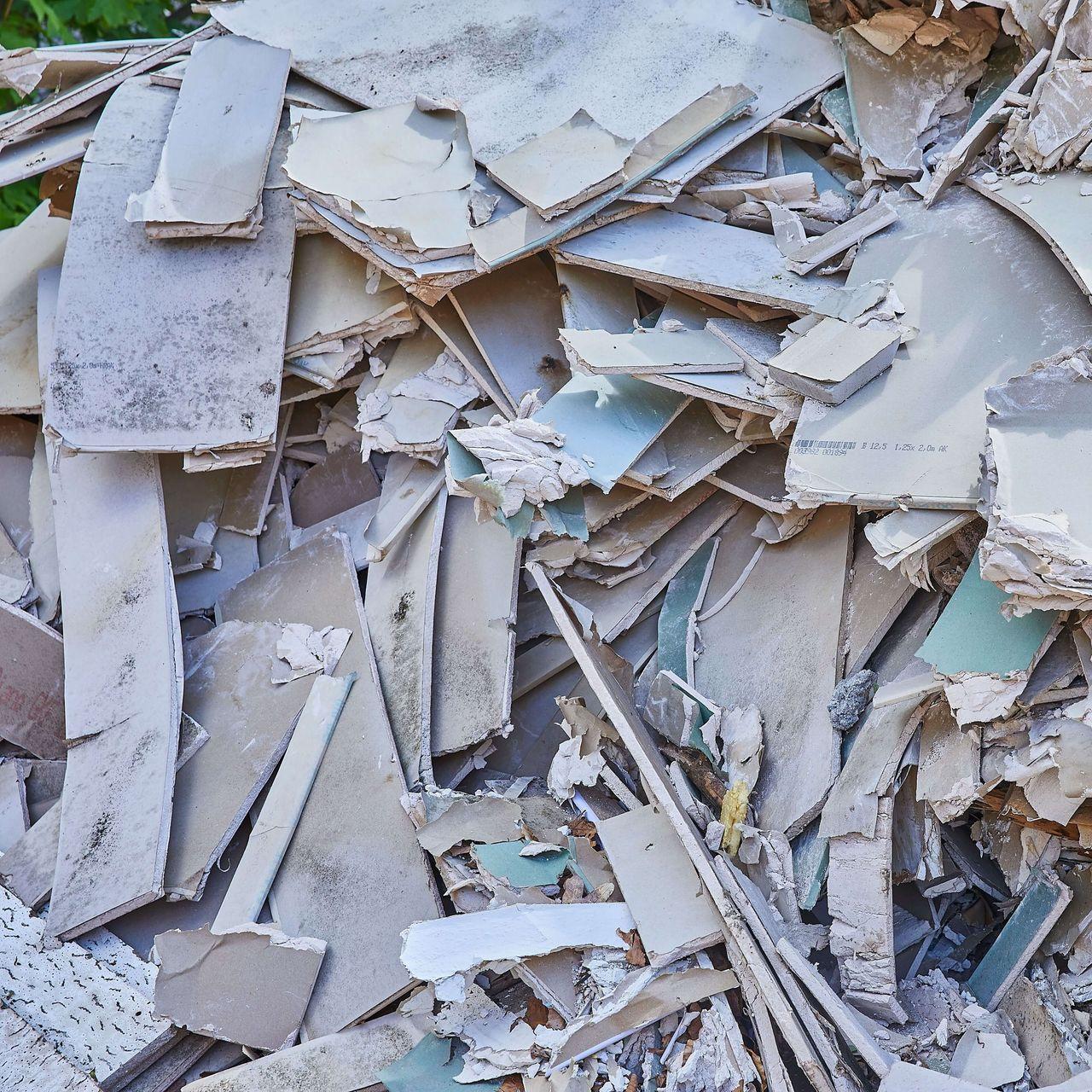
An alternative way of obtaining gypsum is to recover it from the flue gas desulphurisation of lignite or hard coal power stations. In this process, gypsum is produced as a by-product by filtering sulphur out of the exhaust gases using quicklime. The quality of this so-called FGD gypsum falls short of natural gypsum, yet its use has the advantage of putting an industrial by-product to use. With the planned phase-out of coal-fired power generation in Germany, however, this source of gypsum will disappear. In future, gypsum will probably be recycled more and more. At present, 45% of the gypsum used already ends up in landfill after a very short period of use. This potential will become more economically valuable, and the pressure for recycling solutions is therefore increasing.
The Duality of Gypsum in Construction
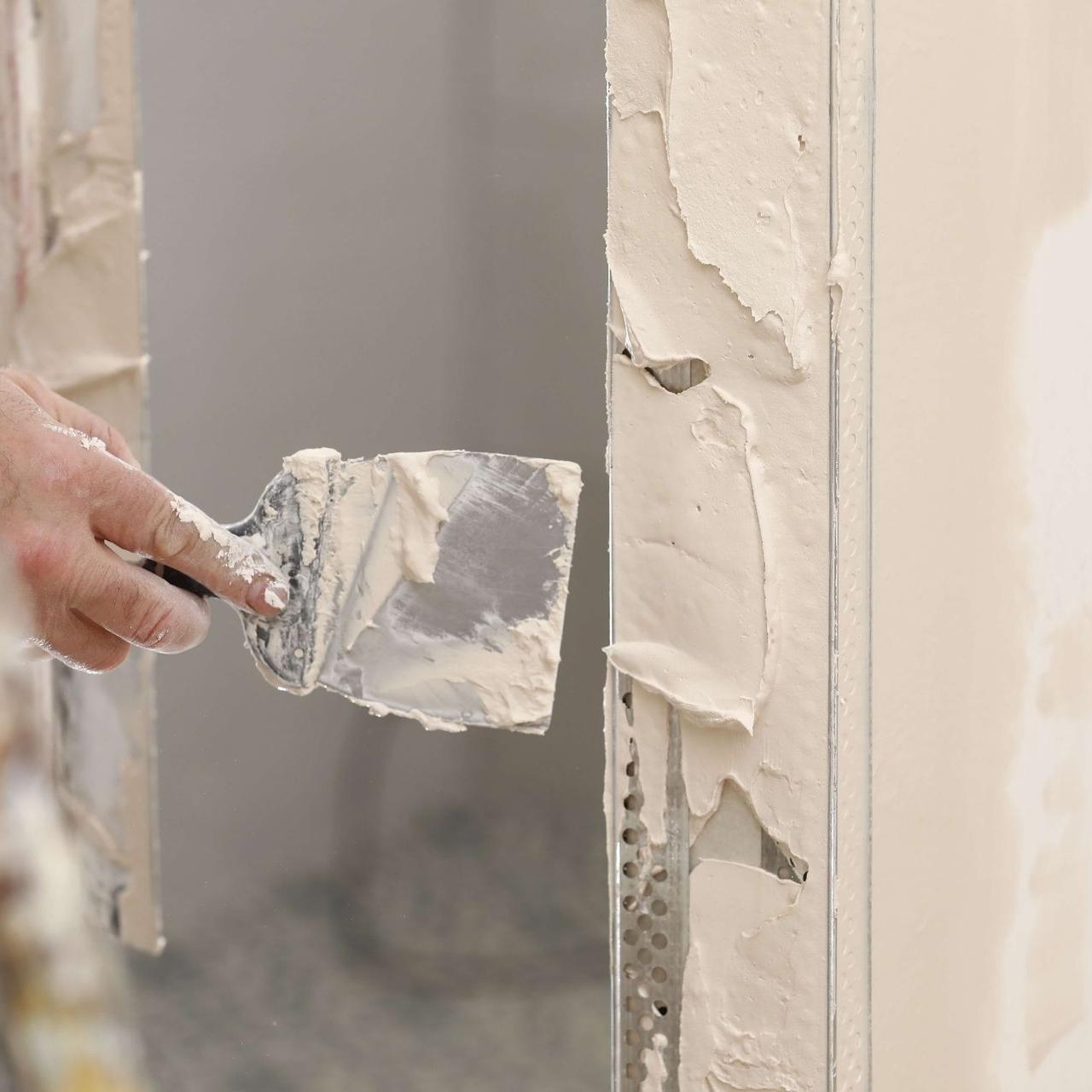
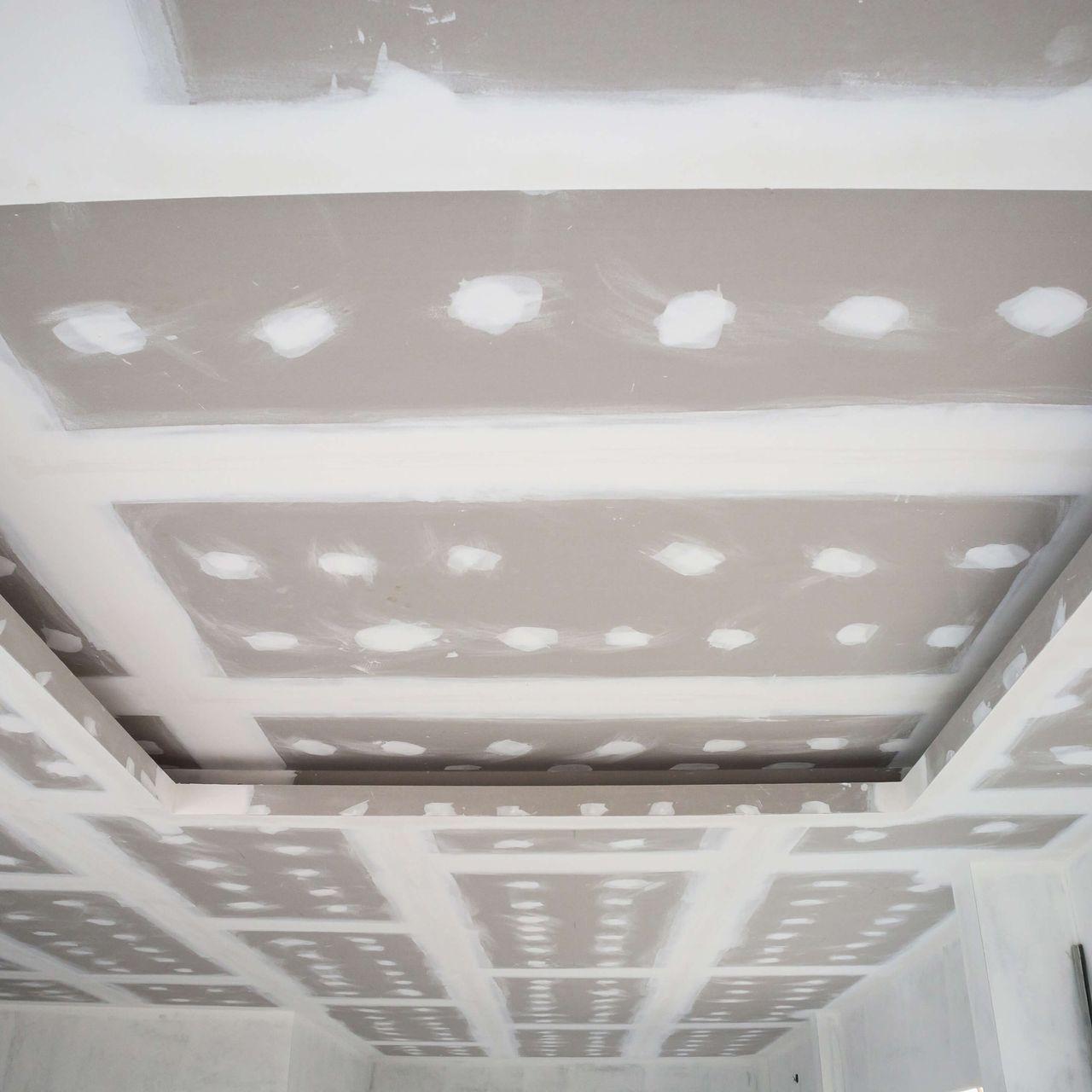
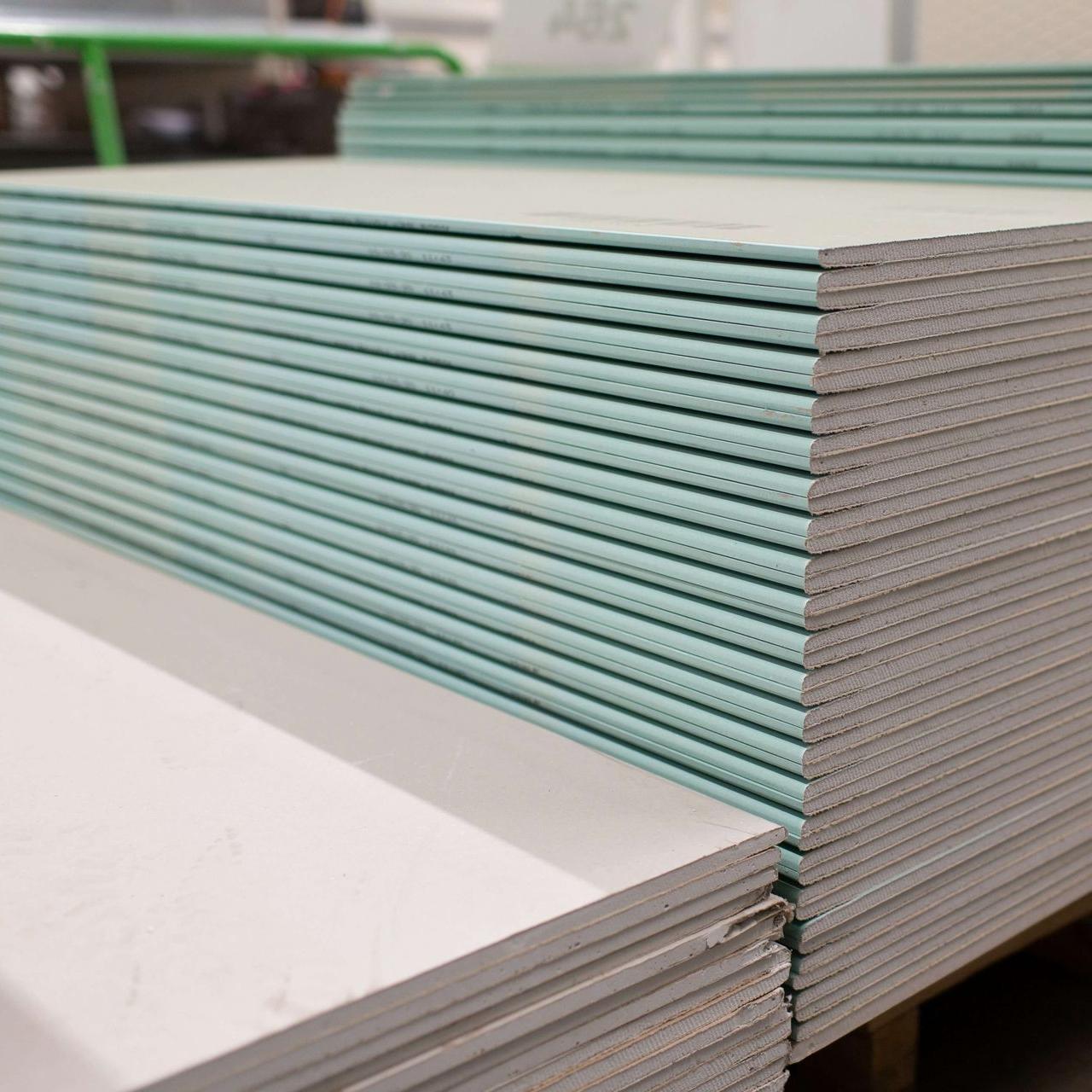
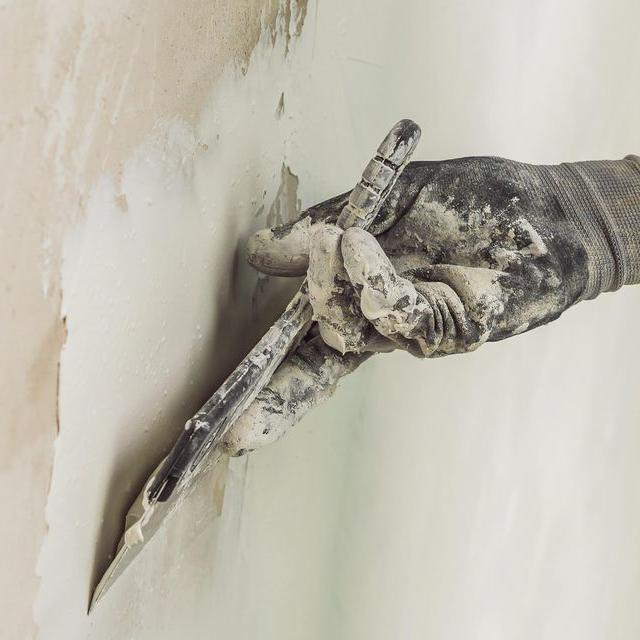
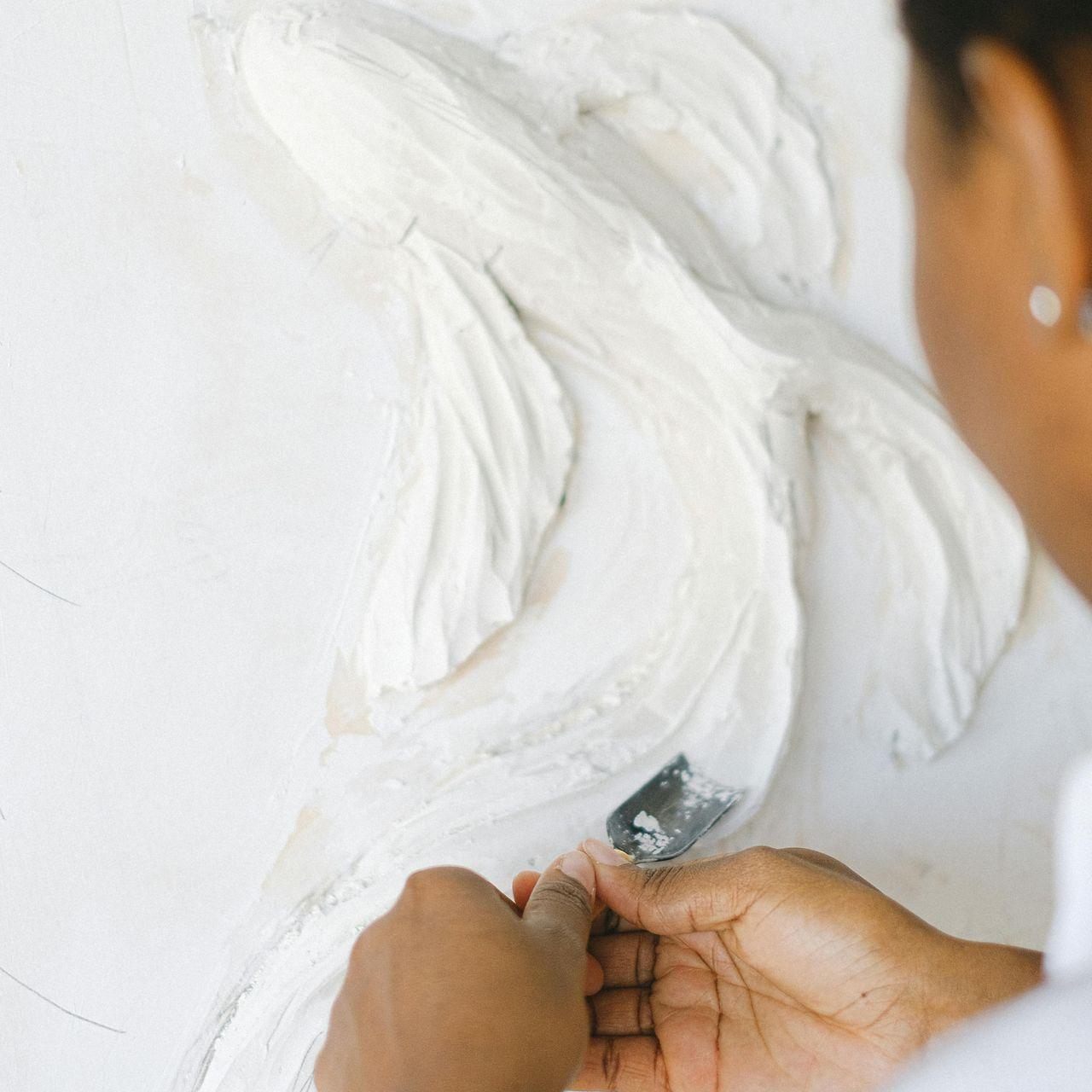
Gypsum is a versatile and widely used building material. It serves as a plaster for walls, forms ceilings and shapes interiors. Its ability to improve the workability and adhesion of a plaster makes it a valued material. A gypsum-containing plaster is easier to smooth and readily produces good surfaces. But gypsum also has a sensitive side – its tendency to absorb moisture can, if not carefully controlled, lead to mould growth. This highlights the need to fully understand materials throughout their life cycle.
Überlegungen und Alternativen
The mining of gypsum and its energy-intensive processing raise questions about our ethical responsibility towards nature. The finite nature of gypsum deposits and the damage caused by extraction challenge us to look for alternatives. Materials such as clay or lime have similar properties to gypsum, but offer advantages from a building-biology perspective. They buffer moisture and promote a balanced indoor climate.
A look into the future
The challenge lies in not taking gypsum for granted but seeing it as part of a bigger picture. As with all resources, conscious use is the key. The choice of material, its origin and processing, and its effects on the wellbeing of occupants and on the environment should always be considered. This reflective approach points the way to a building industry that creates not just buildings but life-affirming environments.
The combination of traditional knowledge and modern technology holds great potential for the future of construction. Gypsum, like every material, has both its bright and its dark sides. The art will be to use this material in a way that both serves people and honours the earth that gives us this gift.
So why don't we stock gypsum?
Gypsum may not be a traditional natural building material, but in the heritage-compliant renovation of historic buildings it sometimes proves indispensable. In such cases, a lime-gypsum plaster may be advisable. In everyday construction, gypsum is often used to reduce costs, which makes it possible to free up funds for the use of materials such as clay or lime elsewhere.
However, we deliberately do not stock gypsum in our range, as it is available everywhere and requires no special source of supply. We prefer to focus our energy on alternatives rather than transporting gypsum products across the country – a task we are happy to leave to others.
It is possible, however, that in future we may add some specialist solutions for the restoration of listed façades to our range. This requires careful consideration, though, to ensure that we remain true to our philosophy of durability and respect for historic fabric.