Clay is one of the oldest building materials in the world – and it is becoming increasingly important in modern construction with natural building materials. At the same time, many people ask themselves: what about standards, regulations and quality assurance in clay construction?
In this article, we trace the development: from centuries-old empirical knowledge and technical recommendations through to current DIN standards – including the possibility of building load-bearing clay walls to standard today. After all, with the right knowledge and materials, clay is today not only a building material rich in tradition, but also a highly modern and reliable one.
Traditional building with clay: tried and tested, but not standardised
Clay has been used as a building material for thousands of years. In many regions of Europe, Africa, Asia and the Americas, entire settlements were built from clay. Whether as rammed earth, straw clay or clay brick – clay was always locally available, easy to work with and, thanks to its mass, provided a pleasant indoor climate.
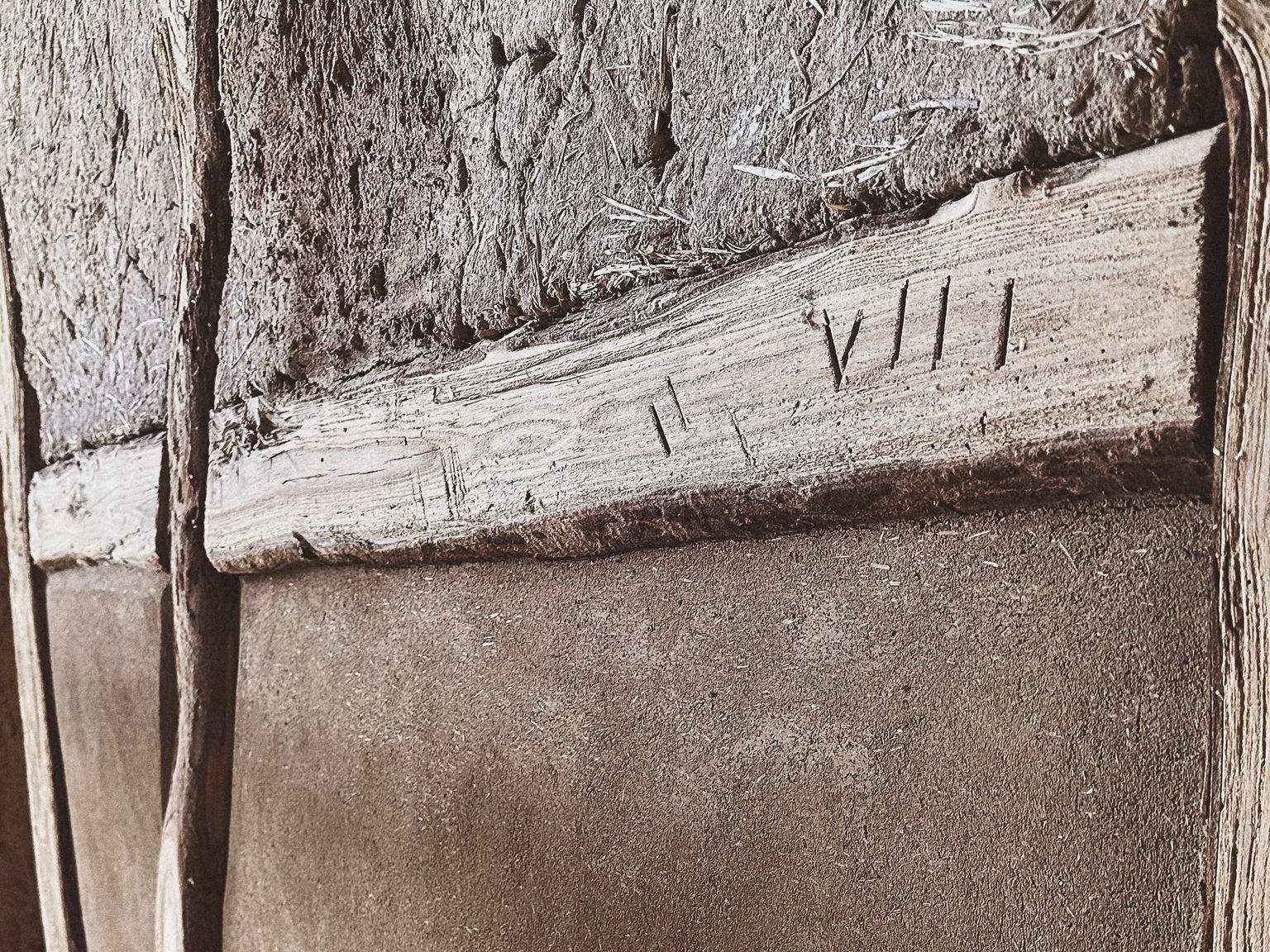
In Germany, we still find numerous old buildings, timber-framed houses and barns with clay infill panels or thick interior plasters. This method of construction was often individual: the craftsman knew which soil on site was suitable, how much straw he had to add and when the right time was for plastering or drying.
But this is precisely where the problem lies: without written, documented procedures or defined quality standards, it was difficult to establish clay building materials on a larger scale or within building regulations. Practical experience remained local, and transferring it to modern building design was difficult.
Generally accepted codes of practice
With the increasing technical sophistication of construction and the introduction of statutory requirements (e.g. the German state building codes), traditional knowledge was no longer sufficient. Objective assessment criteria were needed – for materials as well as for structures.
The so-called “generally recognised codes of practice” (a.a.R.d.T. or aaRdT) laid an initial foundation. They are not based on statutory requirements but on what is technically feasible, proven and accepted. In earth building, this means that whatever has proven safe, functional and durable in practice can be regarded as a recognised code of practice – for example recommendations on plaster thickness, mixing ratios or typical build-ups.
These rules are important because they provide guidance. They also enable planners, tradespeople and builders to draw on a well-founded basis – even where there was (as yet) no standard. At the same time, however, a grey area remained: in building acceptance inspections, insurance claims or legal disputes, there was often a lack of the clear verification that standards provide.
Technical recommendations and earth building rules
A turning point in the development of modern earth building was the systematic reappraisal of traditional knowledge by committed figures in the field. Foremost among them were pioneers such as Prof. Gernot Minke, who created a standard work with the “Handbuch Lehmbau”, and the Dachverband Lehm e. V. (German umbrella association for earth building), which has been working towards quality assurance and standardisation since 1997.
The Lehmbau Regeln (earth building rules) developed by the association remain a key reference work for planners and tradespeople to this day. They contain practical guidance on:
- mixing ratios and aggregates
- Building physics properties (e.g. moisture protection, sound insulation)
- Application and drying
- Types of construction such as infill panels, facing walls or rammed earth
In addition, there was growing scientific study of the properties of clay: research into compressive strength, diffusion behaviour, load-bearing capacity and workability helped to make the material objectively measurable and comparable. Many of these findings were later incorporated into DIN standards.
DIN 18947: Tested quality in clay plaster
A major step towards standardisation was the introduction of DIN 18947 in 2013, most recently revised in 2024. It is the first official product standard for clay plaster mortar and defines precisely which properties such a plaster must have in order to be considered “DIN-compliant”.
In detail, DIN 18947 specifies:
- Strength classes: e.g. S I to S III, depending on compressive strength
- Bulk density ranges: light to heavy clay plasters
- Abrasion resistance: for surface wear
- Test methods: standardised laboratory methods to ensure comparability
What this means for building owners and professionals: anyone using clay plaster to DIN 18947 has a tested, traceable building material. This not only ensures quality assurance but also builds trust with building authorities, surveyors and clients.
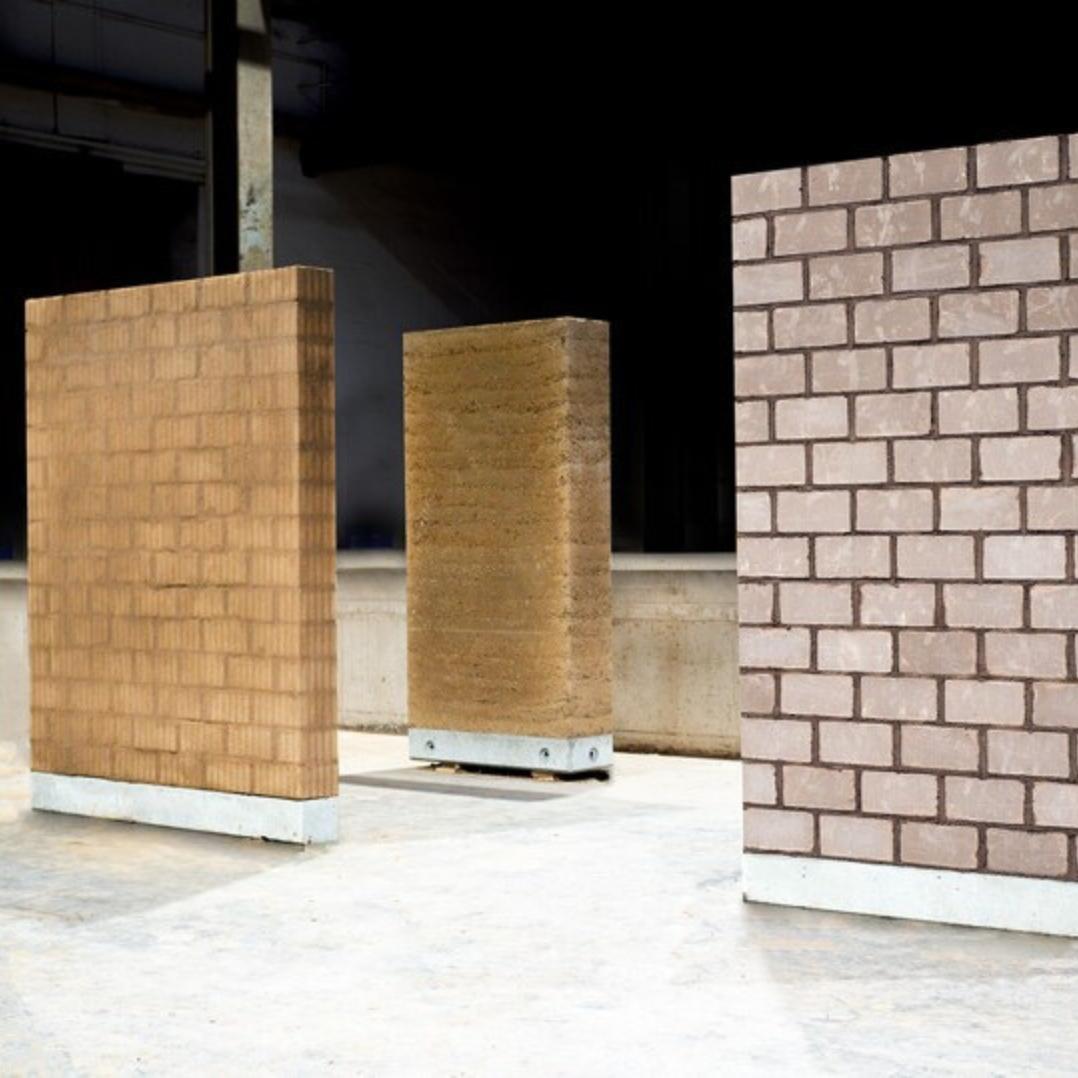
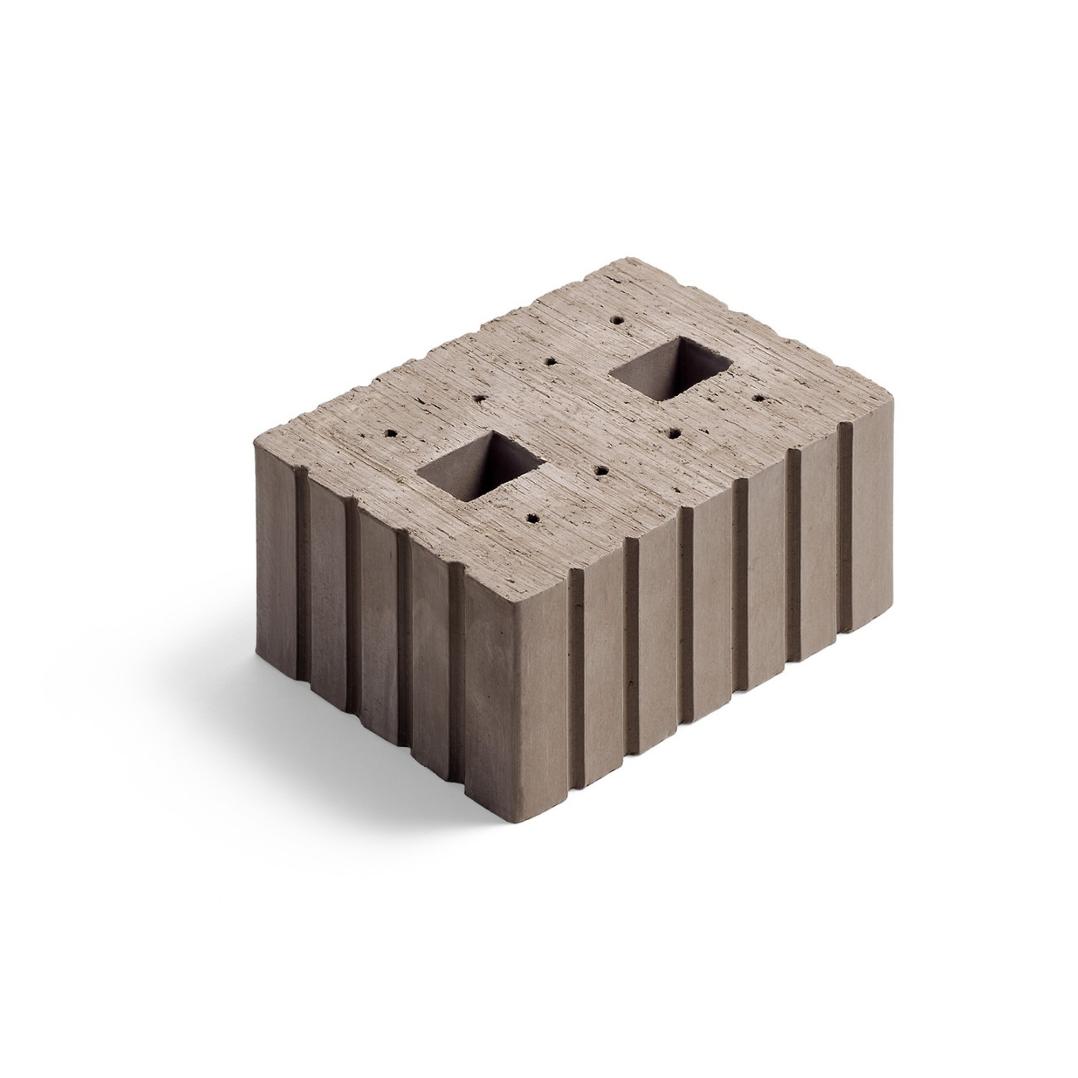
©conluto Vielfalt aus Lehm
Load-bearing construction with clay: now standardised
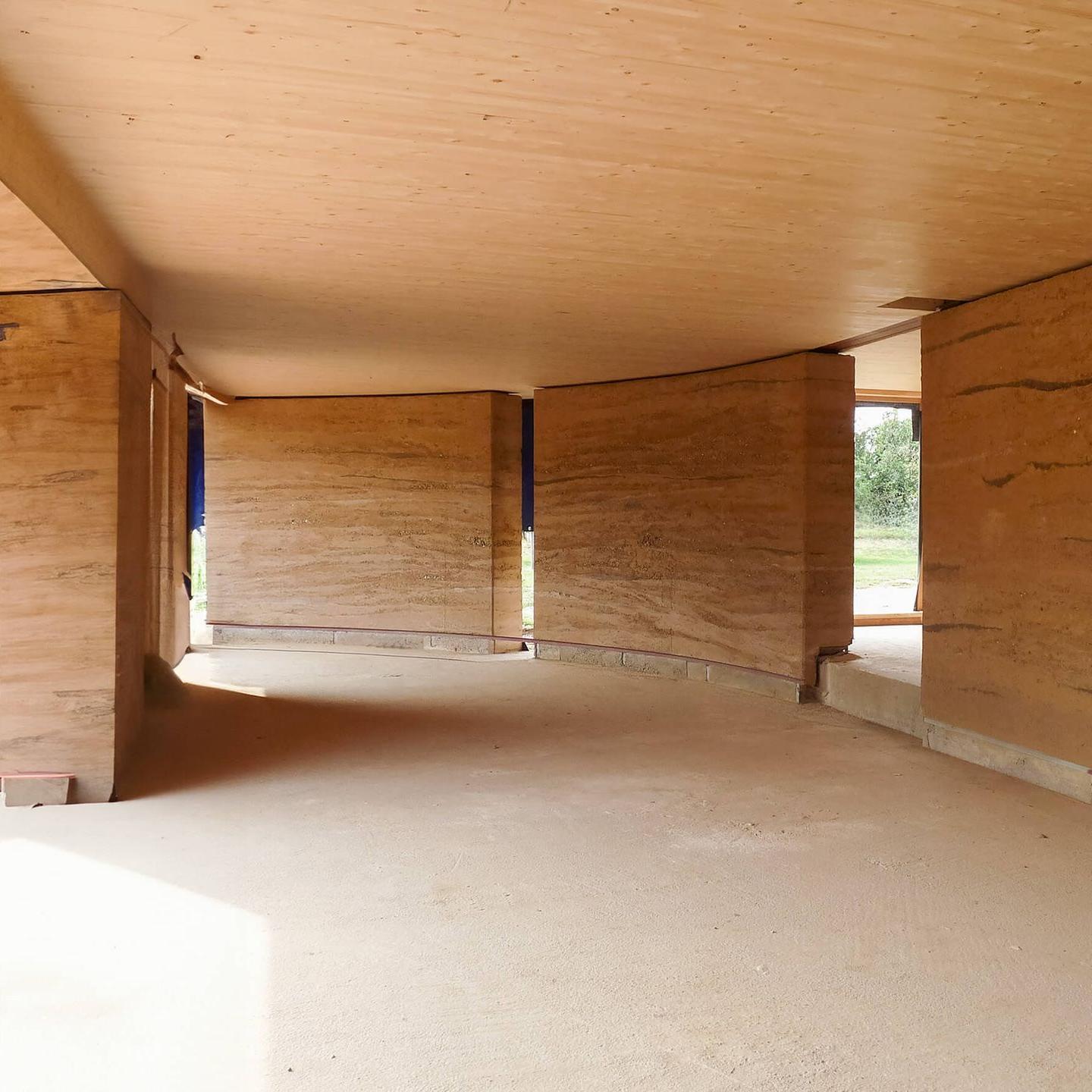
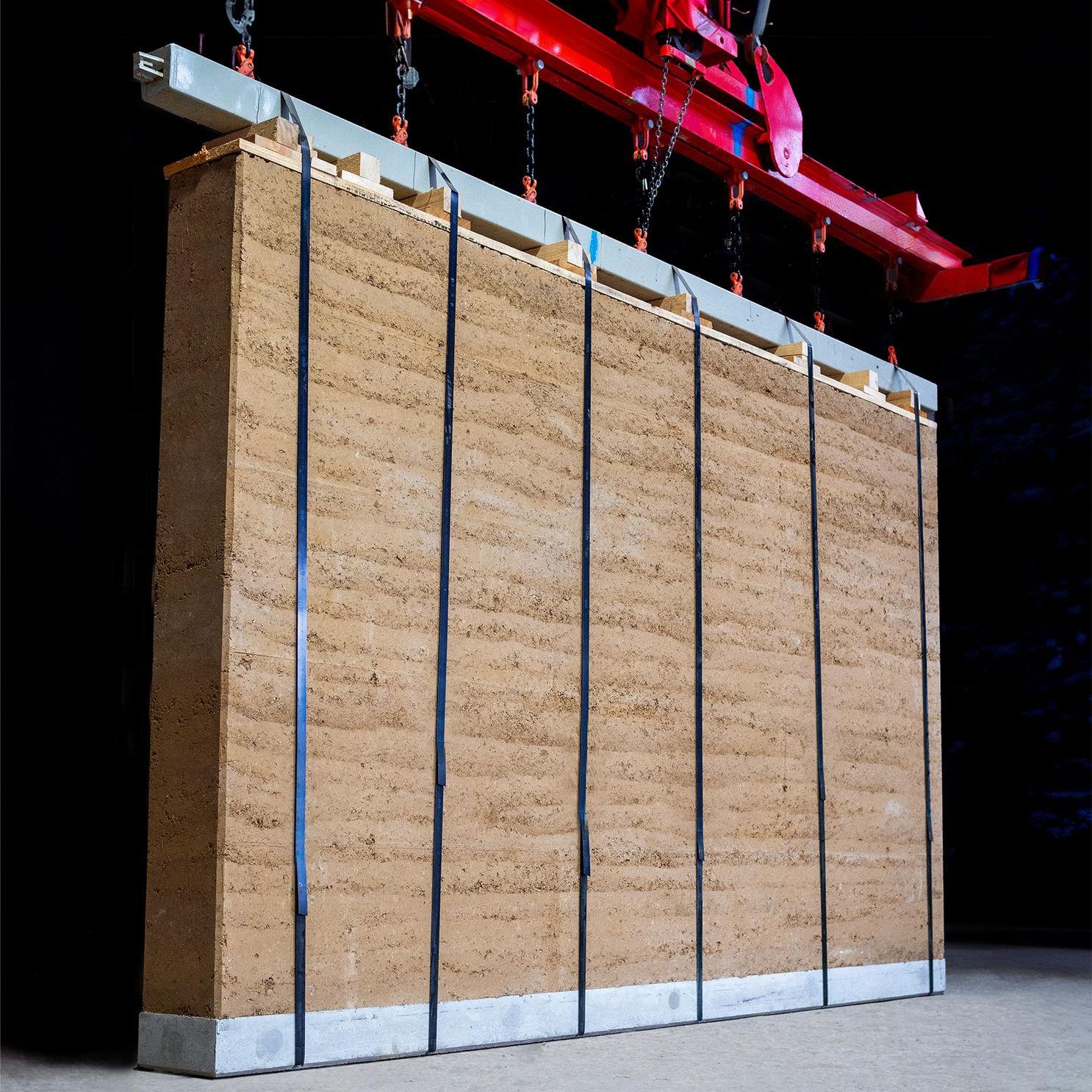
For a long time, clay was a building material for non-load-bearing applications: as plaster, infill or insulation. But with DIN 18940 (published 2023), load-bearing clay masonry has now been comprehensively standardised for the first time.
This means clay is now also approved for structurally relevant components such as walls and load-bearing interior walls. The standard defines:
- Requirements for clay bricks, clay mortar and wall build-ups
- permissible stresses, load assumptions and design methods
- building physics parameters and test methods
Other standards in clay construction are:
- DIN 18945: Earth blocks (rev. 2024)
- DIN 18946: Clay masonry mortars (rev. 2024)
- DIN 18947: Clay plaster mortars (rev. 2024)
- DIN 18948: Clay boards (rev. 2024)
With these standards, clay buildings can now be designed in a legally compliant and verifiable way – even with up to 4 full storeys. A milestone for everyone who sees clay not just as a building material, but as a load-bearing idea.
Conclusion: clay can be planned more precisely today than ever before
Like hardly any other building material, clay stands for the link between tradition and the future. Its building-physics advantages – from moisture regulation to recyclability – are undisputed. But it is only systematic standardisation that makes it possible to integrate clay into the context of modern building design, approval and execution and to bring it into the mainstream. Clay is also increasingly being used in public buildings. Its use in nurseries or museums makes its many advantages accessible to a broad public, allowing many sections of society to benefit.
For planners and tradespeople, this means:
- Anyone using DIN-compliant products can rely on clearly defined properties.
- Anyone working with non-standardised but proven building materials should document empirical values and quality in a traceable manner.
- Building with clay today means building with responsibility – for people, the environment and building culture.
At the Lehm-Laden, we value transparent advice. Whether tested to DIN standards or based on practical experience: we'll help you find the right product for your building project.