Do you want to renovate your timber-framed house or build a new one with natural building materials? Then you have probably already wondered how you can create a floor build-up with natural building materials – without cement or polystyrene. In this article, we introduce you to an alternative, tried-and-tested construction method: using lime screed and foam glass gravel.
Why no cement?
Cement may be the standard in the construction industry – but in energy terms it is a disaster. It is fired at very high temperatures, loses many of its original properties in the process and consumes vast amounts of energy. Sure, it is strong. But do you really need that strength in your floor? In most cases: no.
Die mineralische Alternative: Kalkestrich
As the name suggests, lime screed uses lime as its binder. More precisely, we use natural hydraulic lime (NHL 5). It is burnt at lower temperatures than cement and therefore remains within the lime cycle. This has many advantages:
- Vapour-permeable: moisture can be absorbed and released again.
- Ausgeglichenes Raumklima: Keine Sperrschichten, keine Staunässe.
- Purely mineral: No plastics, no harmful substances.
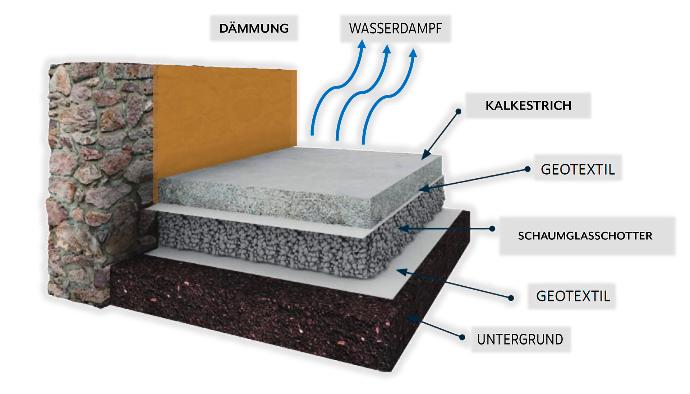
The ideal floor build-up – here’s how
If you want to do it properly, the floor build-up looks like this:
- Excavation: Remove the old floor and, if necessary, excavate the soil.
- Lay foam glass gravel: this acts as capillary-breaking insulation – no more water rises from below.
- Compacting: Vibrate thoroughly layer by layer.
- Lay the lime screed: two parts screed gravel, one part NHL 5 – and your mix is ready.
Tip: Expanded clay or crushed brick can be used as aggregates – for better insulation, but lower load-bearing capacity.
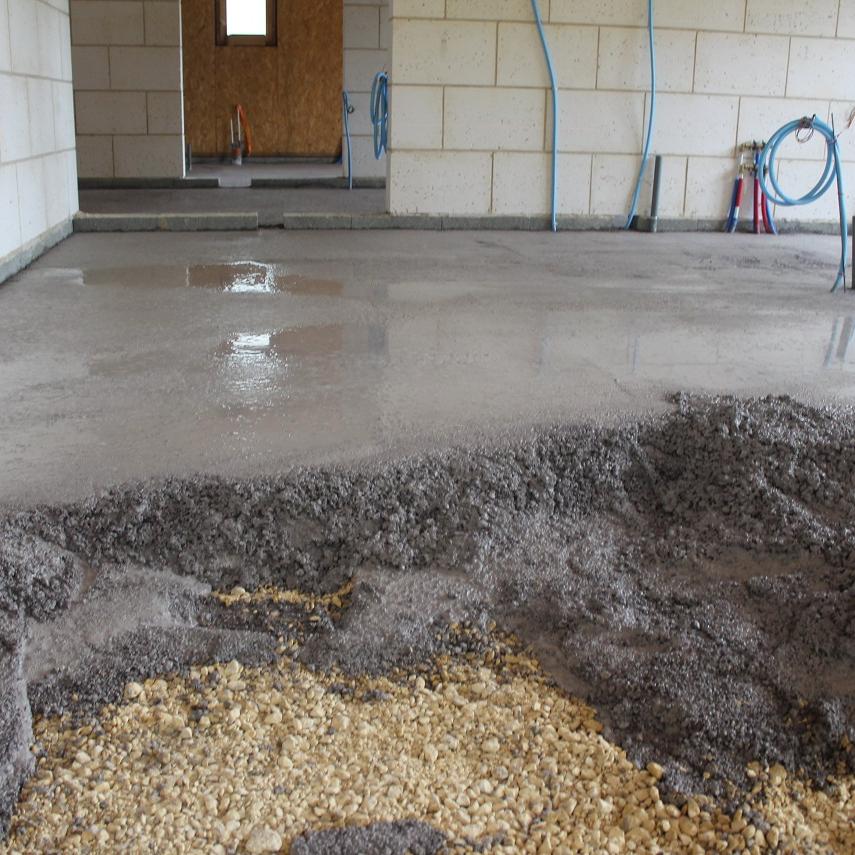
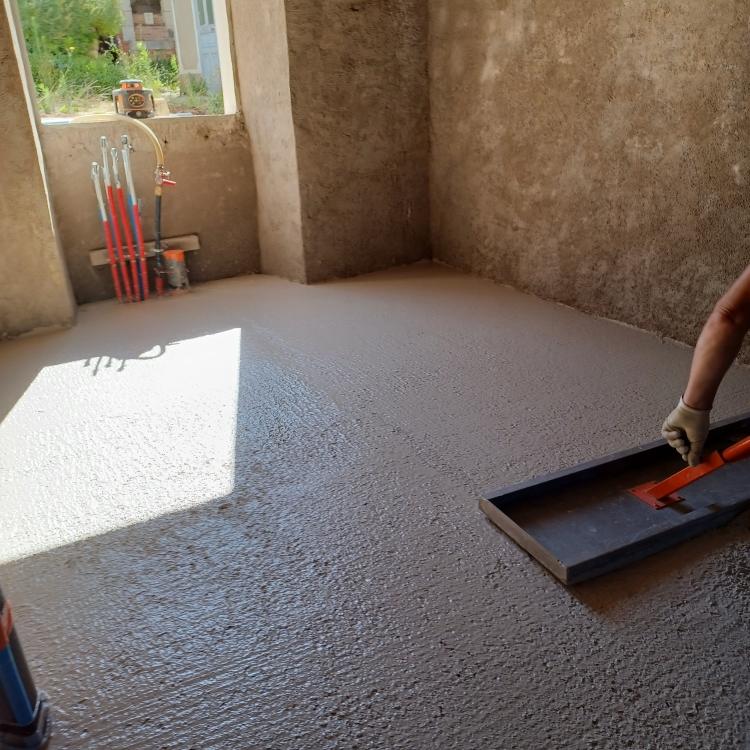
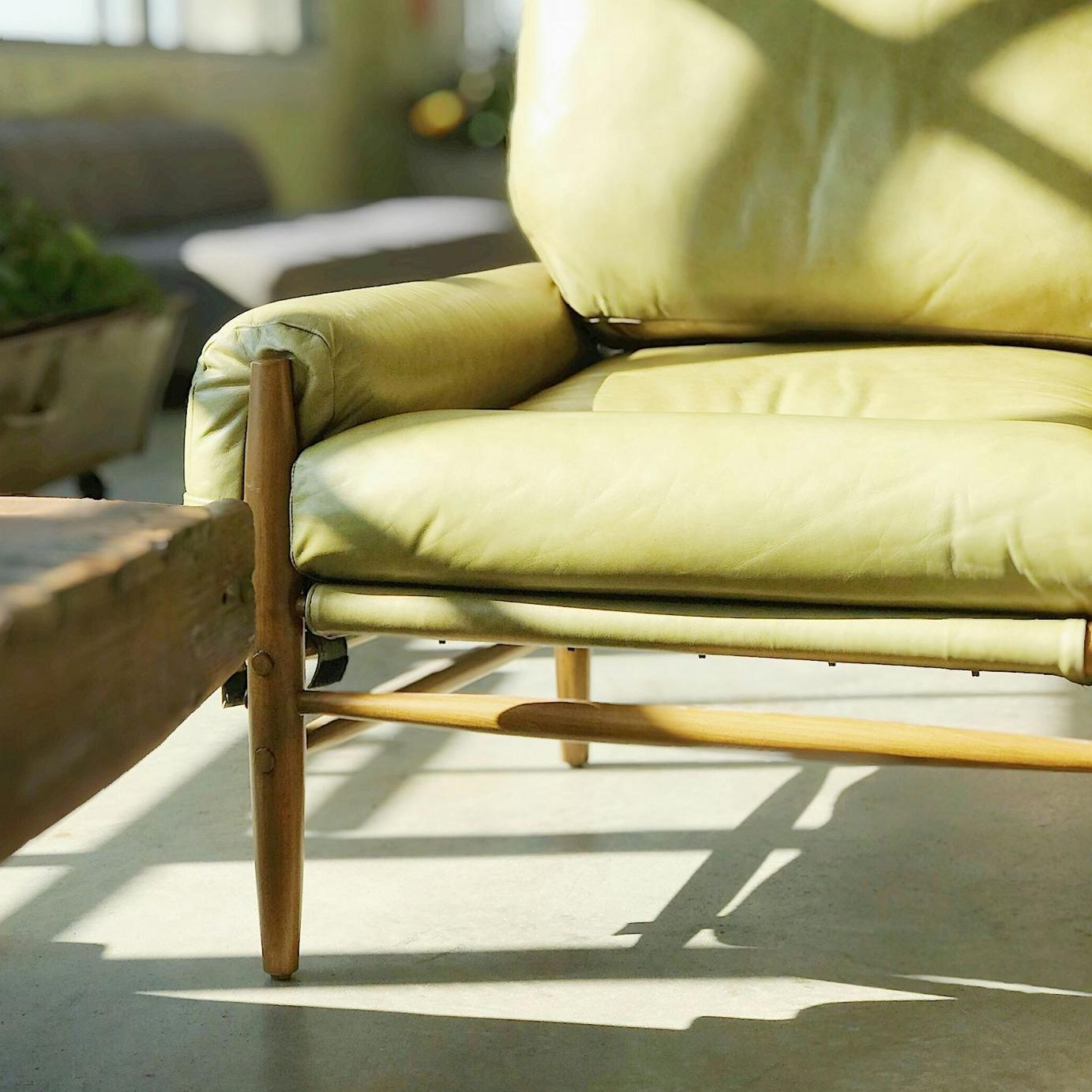
Vapour-permeable right through to the surface
Important: the build-up must remain vapour-permeable from bottom to top – no membranes, no bituminous waterproofing! If moisture gets into the system, it must also be able to get out again. Therefore:
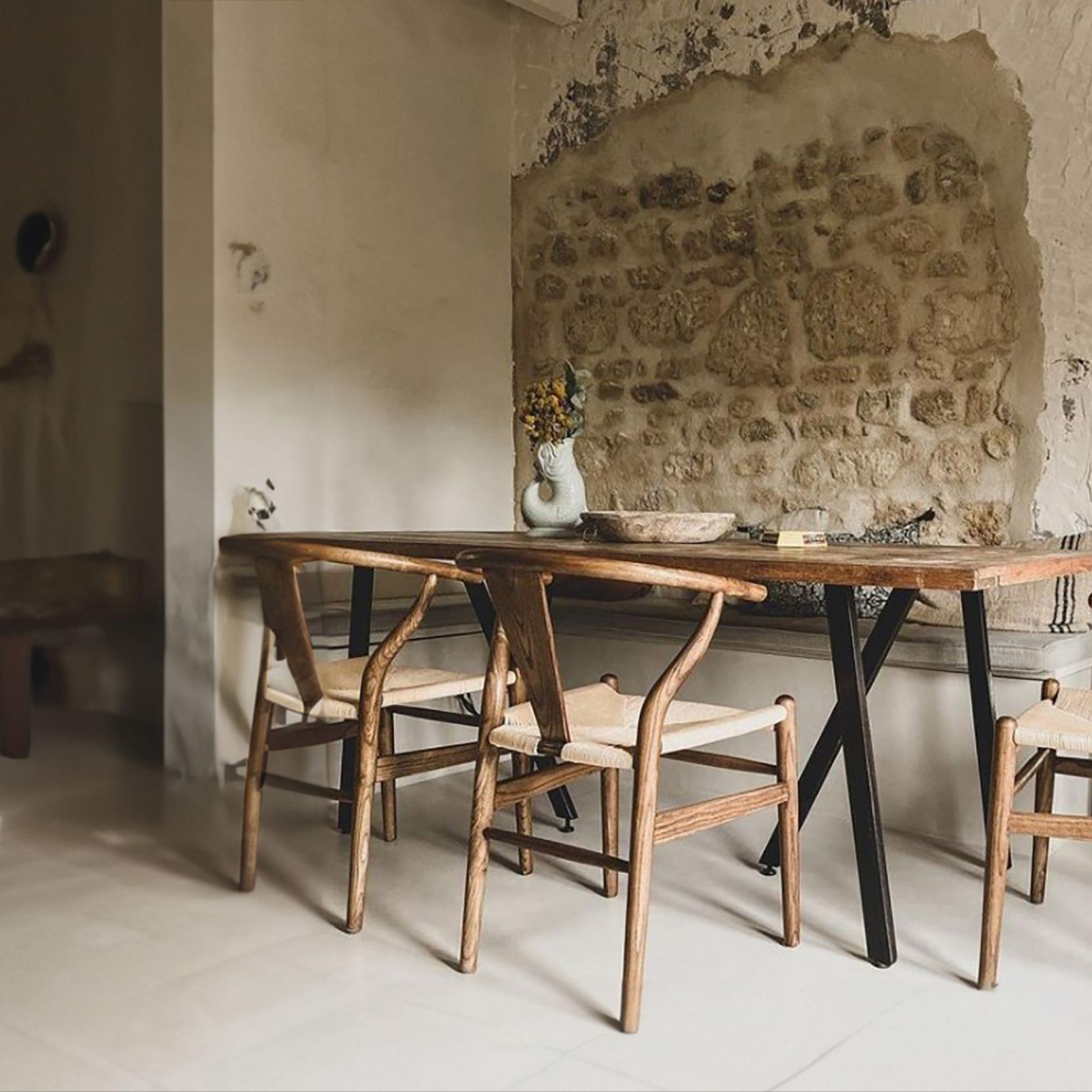
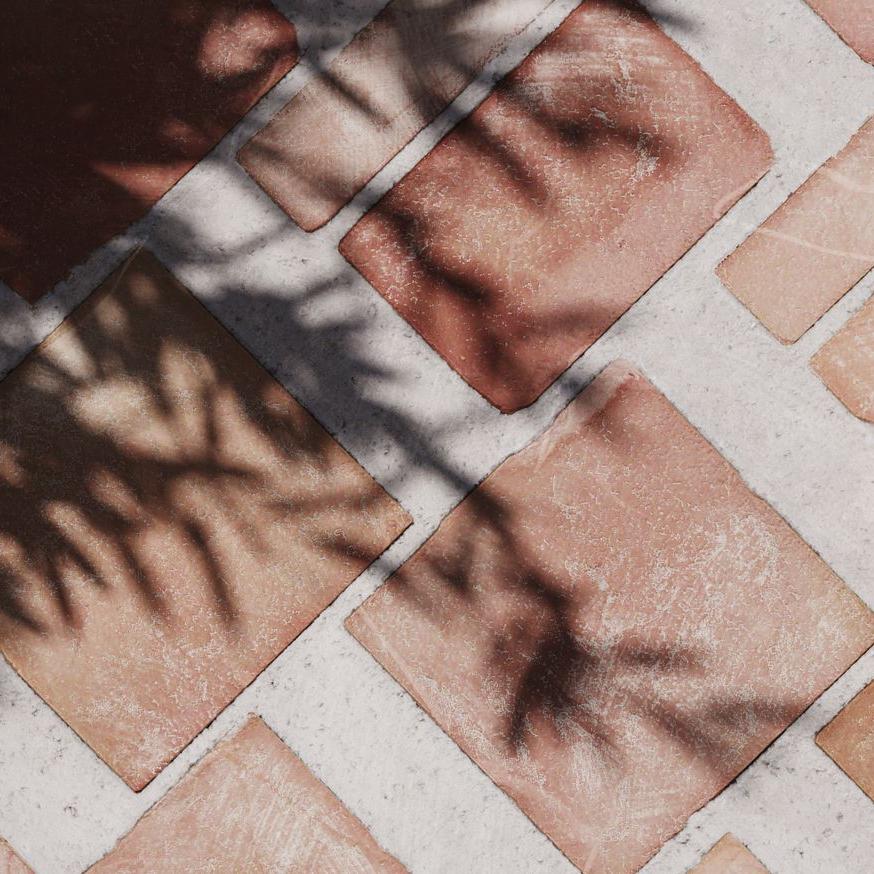
- Natural stone or terracotta in thick-bed mortar: Perfect combination with lime.
- Wooden floorboards: Work really well, as long as they can release moisture.
- Simply smoothed and protected with a vapour-permeable coating – e.g. with Beeck Aquasol Steinöl
No tiles with vapour-tight adhesive! This traps the moisture and increases the risk of consequential damage.
Care and application – what you need to know
Lime needs time and moisture to set. To keep your lime screed from ‘burning’ (drying out too quickly), bear the following in mind:
- Before installation: dampen the substrate (e.g. wet the foam glass gravel)
- After installation: keep it moist! Dampen it regularly or cover it, e.g. with construction sheeting or the empty, soaked paper sacks of the NHL5
Do not mix it too wet – otherwise the material will segregate
DIY or professional?
This build-up is ideal for DIY. All you need is a good mixing ratio and a little patience. If you're unsure, just give us a call at the Lehm-Laden – we'll be happy to advise you. For specialist techniques such as natural stone laying or terrazzo, it's worth bringing in a professional.
Conclusion
From a building-biology perspective, lime screed made from natural raw materials is a sensible alternative to cement screed. Combined with foam glass gravel, it creates a vapour-permeable floor build-up that is durable and supports a balanced indoor climate. If building with natural materials matters to you, this build-up is just right for you.
Do you still have questions about lime screed? Give us a call or write to us – we'll be happy to help.