The residential project querbeet in Lüneburg is regarded as a flagship project for community living. Since 2021, two multi-family buildings to the Kfw 40+ standard with a total of 38 flats have been under construction, the first of which is expected to be ready for occupation this autumn. The building group currently consists of 54 adults and 15 children.
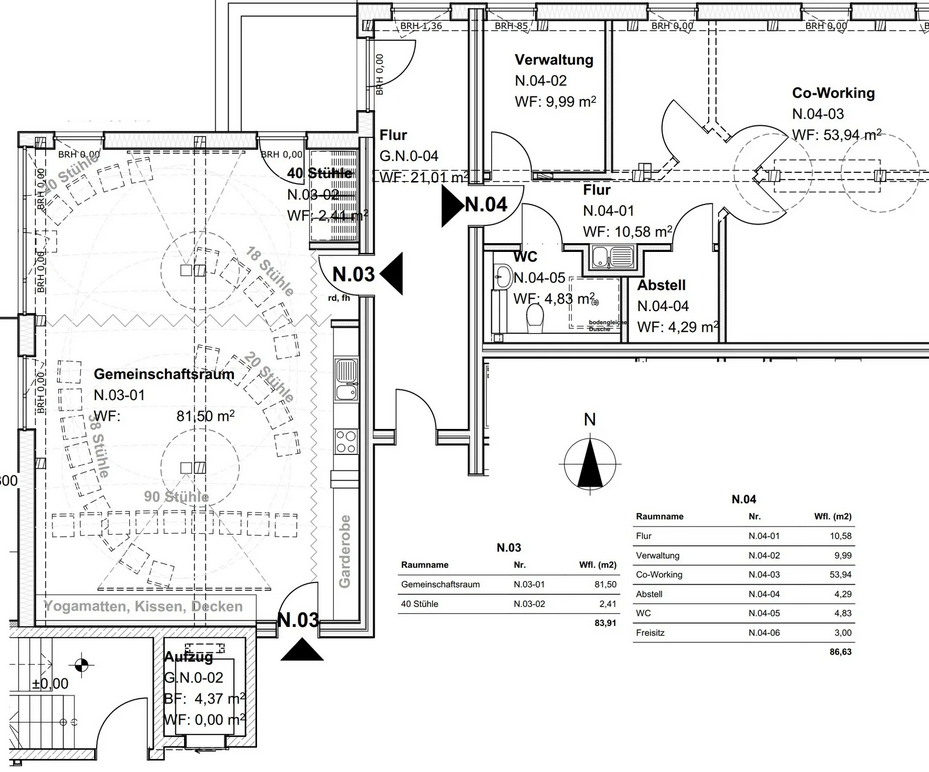
In planning and implementing the project, the focus was on building with timber, straw and clay. The project is also committed to communal living: there are many shared areas that everyone can use for playing, for parties or for community gatherings. There is also an open space that can be rented for co-working, coaching sessions or seminars. For most of the members of the building group, the communal aspect is just as important as building with natural building materials.
The project as a response to the climate crisis
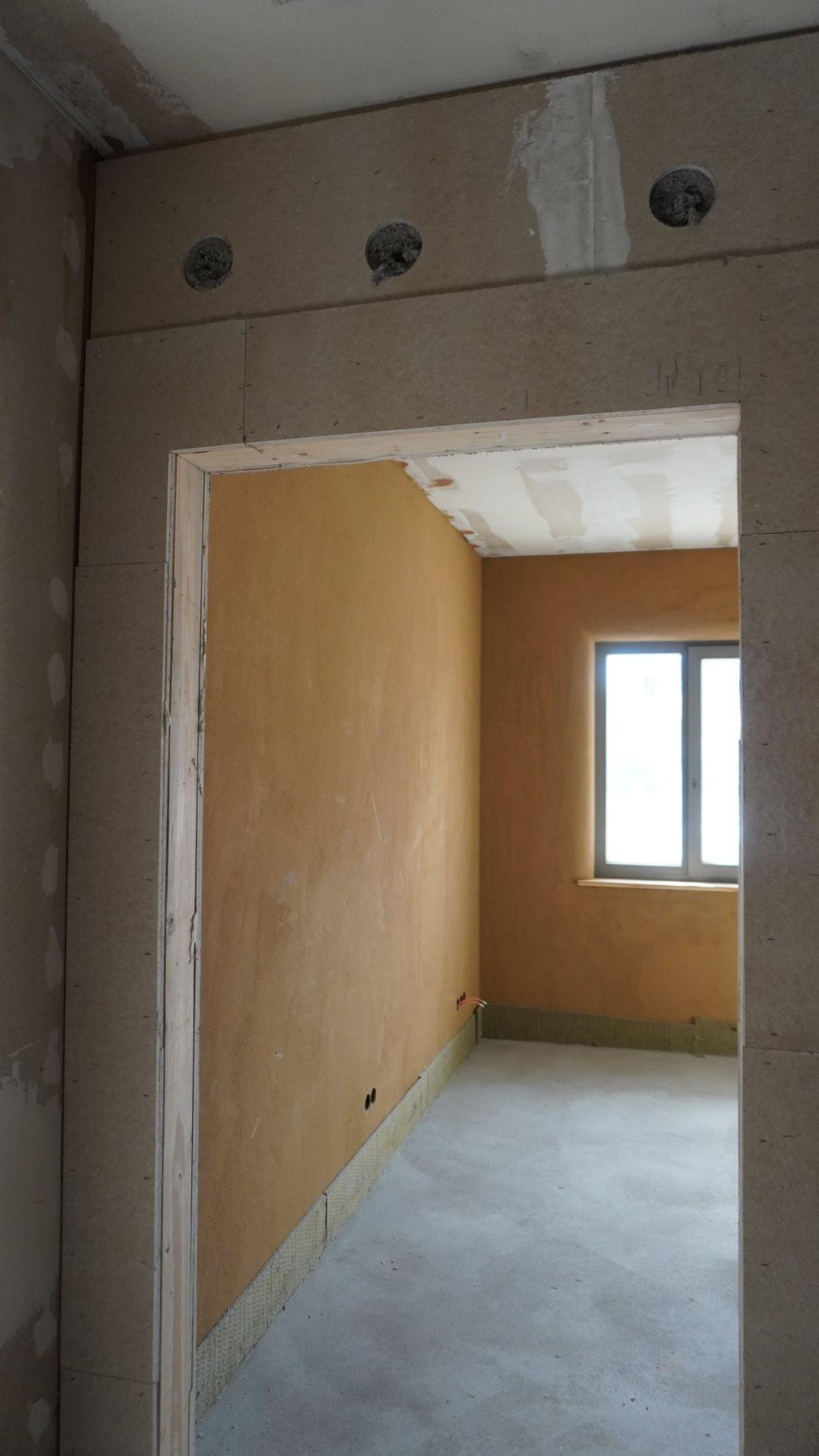
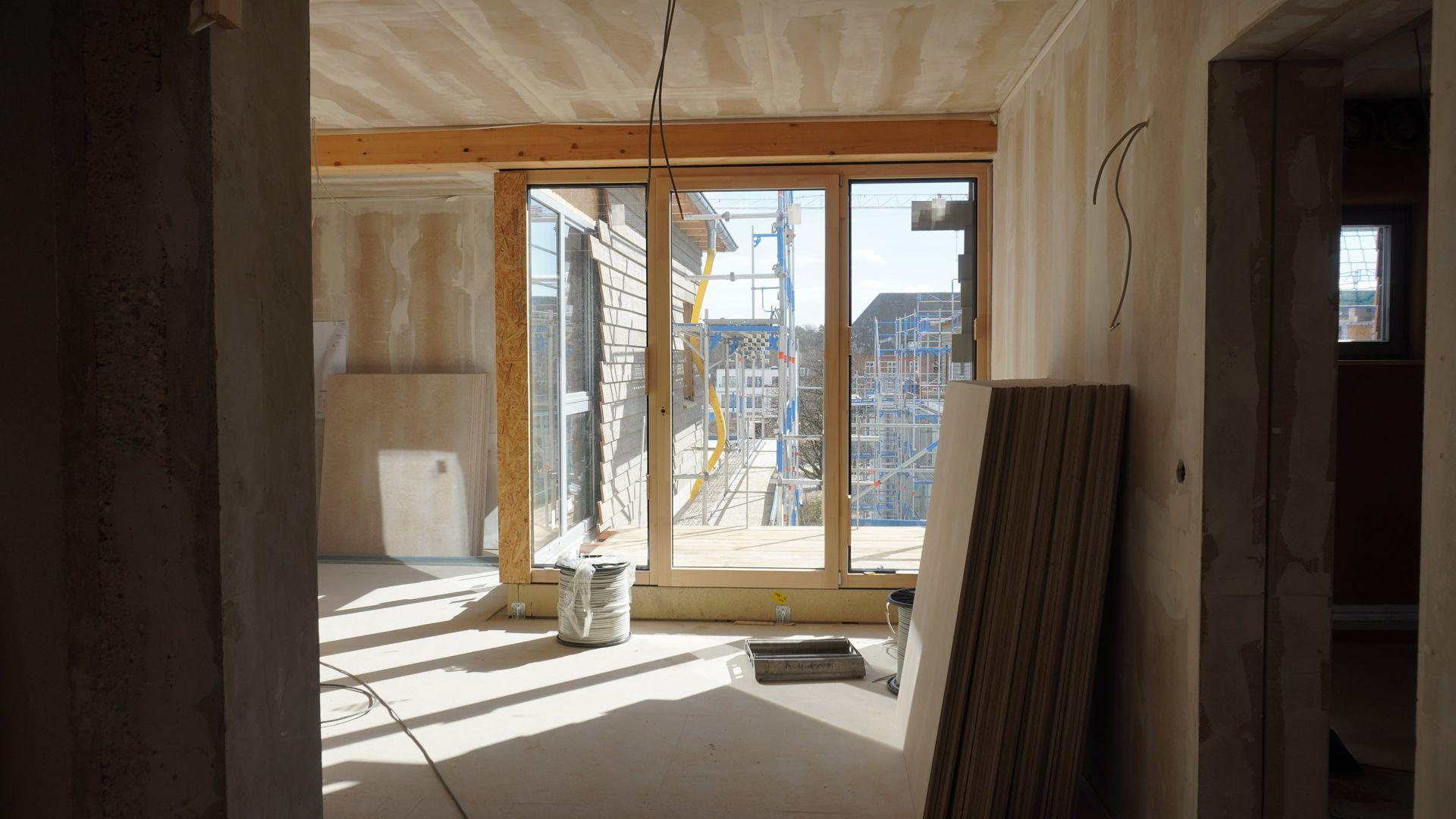
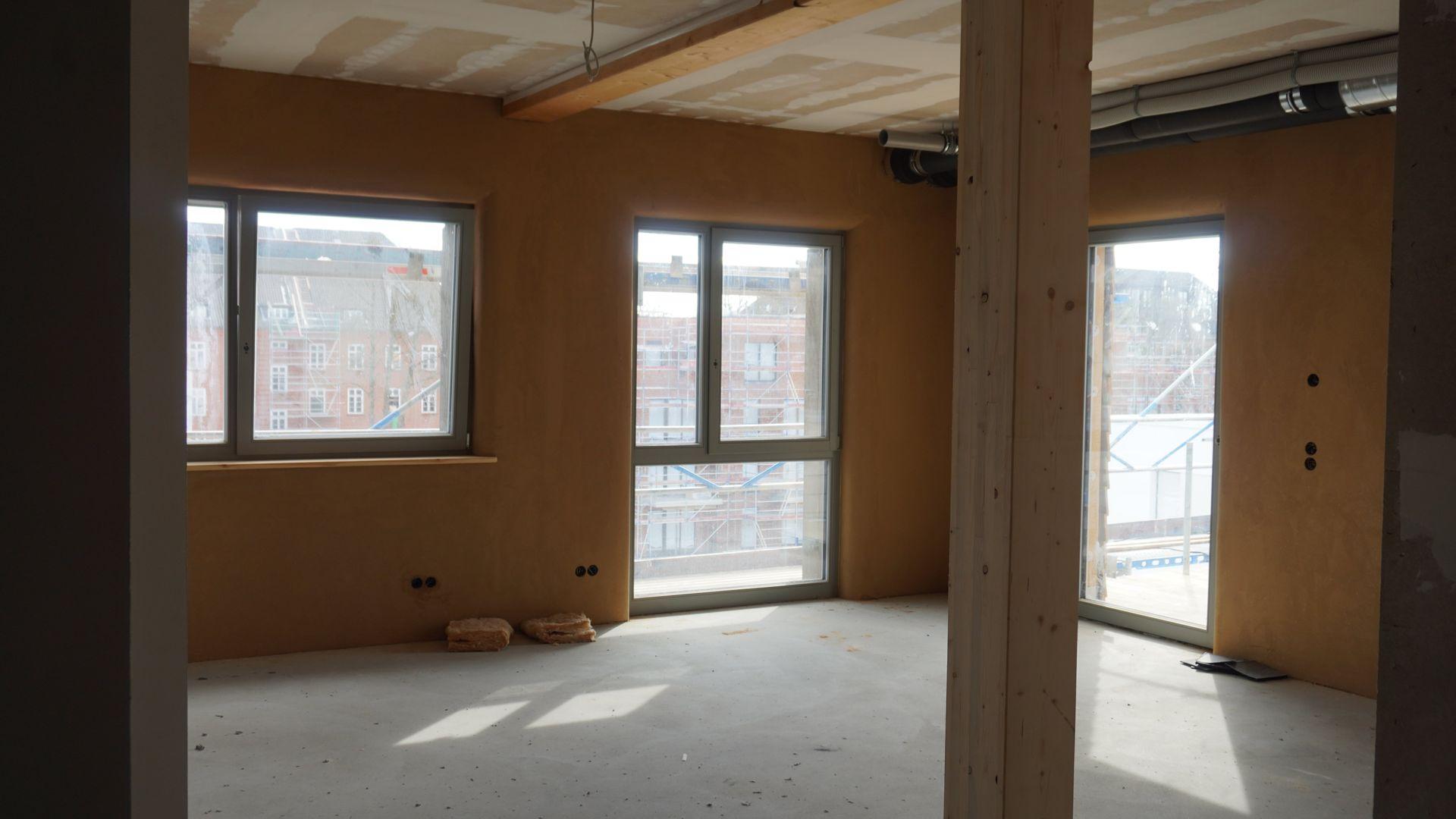
The straw-insulated timber buildings are rendered with clay on the inside and with lime on the outside, which offers many advantages over conventional buildings. Predominantly renewable raw materials are used, which is why the houses achieve an excellent life-cycle assessment. Straw and clay also provide very good thermal insulation and a balanced indoor climate. Overall, the buildings are therefore considerably more energy-efficient than conventional new builds.
Alongside building with natural building materials, it is above all the reduction of living space per person that has a positive effect on climate protection. Floor space consumption per person is rising continuously and, combined with population growth, is leading to ever more soil sealing. Thanks to the various communal areas, the individual living space per person in residential projects can be reduced and valuable resources used more efficiently: a co-working space replaces many home offices. It can also reduce unnecessary journeys and possibly make it easier to combine work and family life. A shared workshop likewise saves individual living space. Sharing vehicles or electrical appliances can also help to reduce the resource consumption of many people.
Source: https://querbeet-lueneburg.de/das-projekt/gemeinschaftsflaechen/
Collaboration with deltagrün, planW and the Lehm-Laden
Quite unusually, the building project existed before the building group. The architectural practice deltagrün teamed up with the building group coordinator planW to create a community project in the Hanseviertel based on natural materials.
We met the architect Adrian Nägel on the building site; he has been working at deltagrün for about five years and is overseeing the construction in the Hanseviertel together with Dirk Scharmer. The architectural practice specialises in straw-insulated timber buildings. Its founder, Dirk Scharmer, has been building houses with natural building materials for 20 years and is regarded as an important champion of straw bale construction in Germany, which has recently been increasingly in demand as an alternative to steel and concrete. More people are looking for ways to build with natural building materials, so straw, like clay, has grown in popularity. Both architects are convinced that “buildings made from renewable raw materials are the only way we can still be allowed to build new. Climate-appropriate new construction is only possible with renewable building materials.”
Another partner in the realisation of the project is the Lehm-Laden in Hitzacker, which has clearly felt the growing demand for natural building materials in recent years and has grown from a small shop into the largest online shop with a range of natural building materials. The Lehm-Laden has supported the building group, in close contact with architects and tradespeople, in selecting the building materials and regularly advises the residents and the commissioned painter in the shop in Hitzacker or by telephone.
Energy crisis and rising construction costs during the build
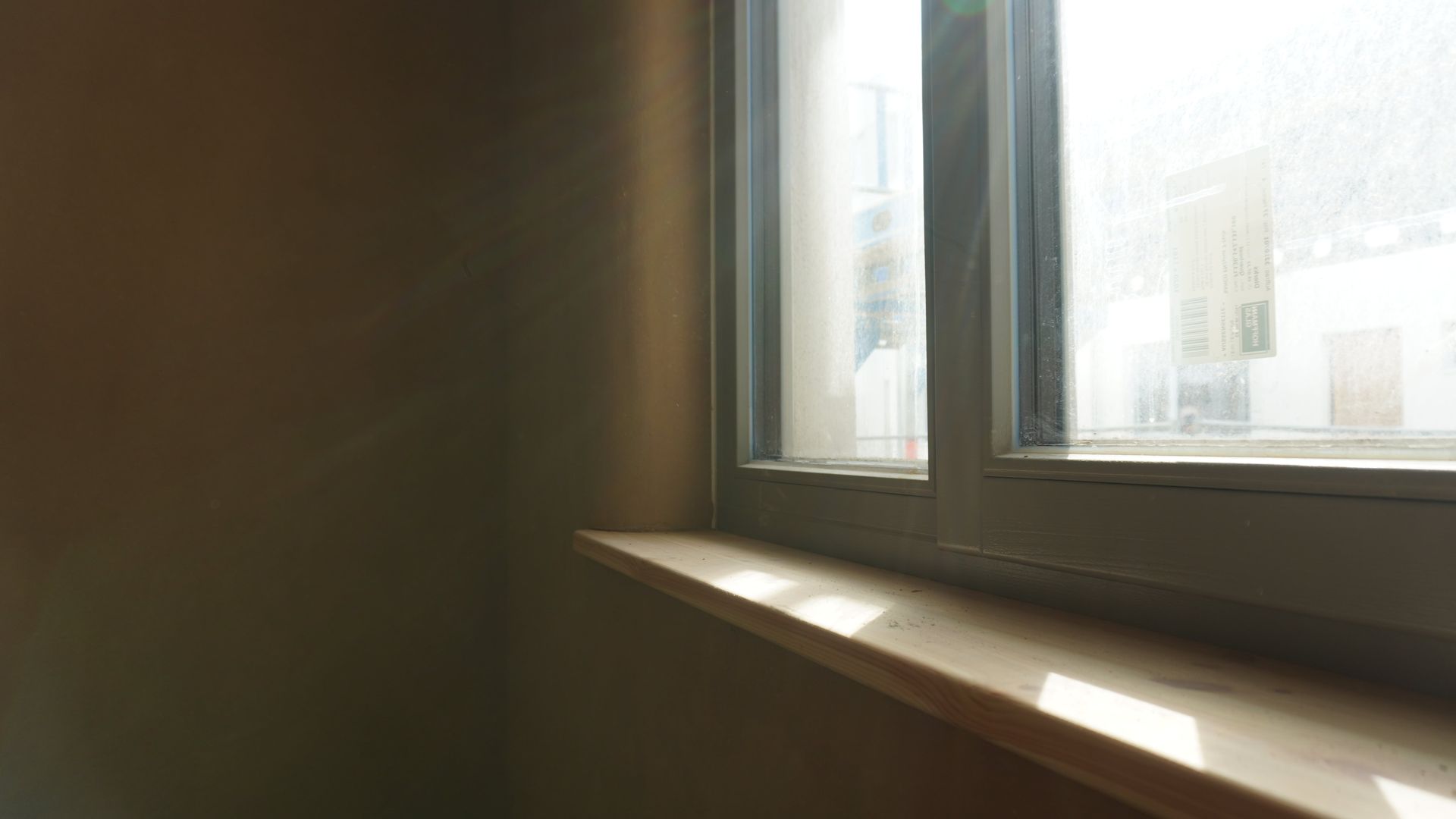
Out of conviction, the group accepted a longer construction period and somewhat higher costs from the outset. Many people think that building with natural building materials is incredibly expensive. Adrian Nägel only agrees with this to a very limited extent: “It is true that a straw-insulated timber wall with clay plaster on the inside and lime plaster or timber cladding on the outside is of course initially more expensive than some sand-lime brick wall with plastic insulation, but firstly it is of a completely different quality and secondly it has a relatively small impact on the overall costs. Here we are in the middle range of construction costs.”
As in many places, the coronavirus pandemic, the war against Ukraine, inflation and higher interest rates have caused construction costs to rise by around 20% during the construction phase. Although straw is the insulation material whose price has risen least, the increase in construction costs and above all the rise in interest rates have put the building group, like many other builders, under pressure: “When the residents decided on the project, interest rates were still below 1% and suddenly completely different rates were being quoted. If this trend continues, we will have major problems being able to build new at all. Especially the rise in interest rates, the price of land and then the construction costs on top. Fewer and fewer people can afford that”, fears Adrian Nägel. The querbeet building group has responded to these challenges with consistent solidarity . For example, most of the plastering was done with earth-moist clay, which requires less energy to produce and is therefore also cheaper than dried clay. In addition, a working group was set up to organise private loans, so that so far no one has had to leave the project because of the additional costs.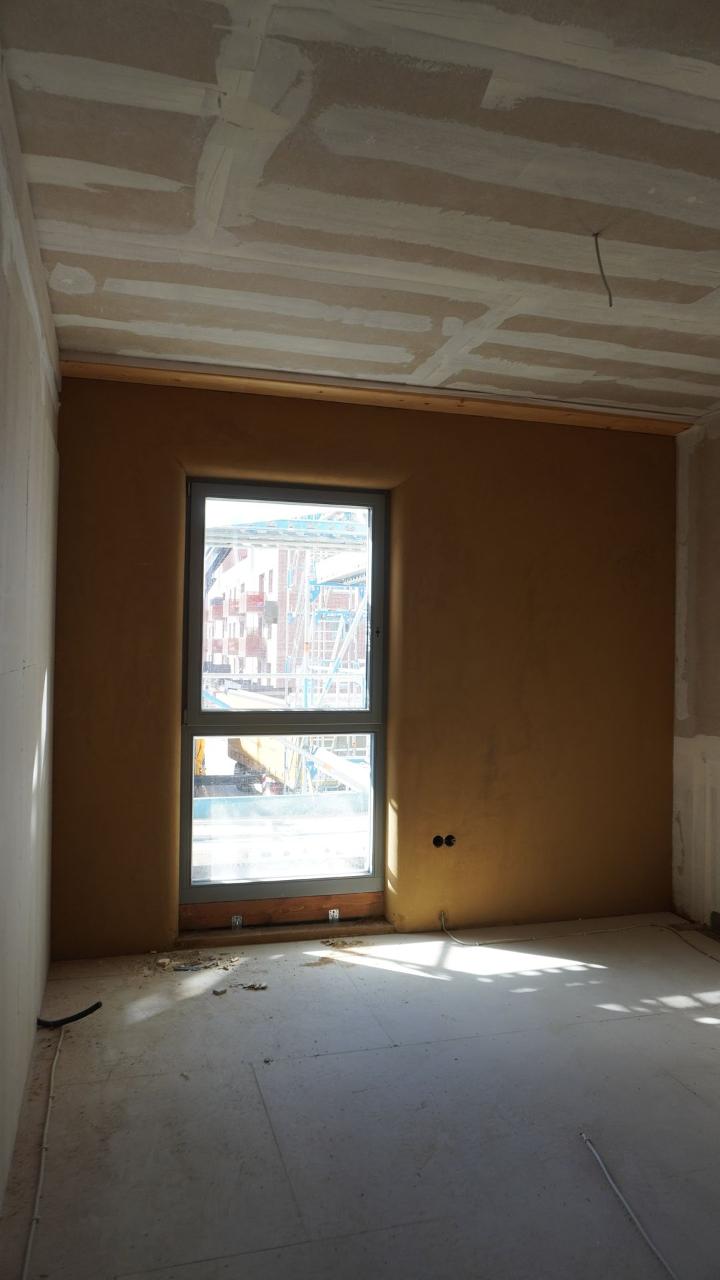
Communal living as a response to the experience of loneliness during the coronavirus pandemic
The housing concept of querbeet is based on the conviction that living in community is better for one's wellbeing and more fulfilling than an isolated life. The coronavirus pandemic called many ways of living into question. Singles and couples reached their limits just as much as small families, and many people decided that they wanted to live less in isolation. Living in community makes it possible to take better care of one another, especially in difficult times. Adrian Nägel has also observed that the pandemic had a massive impact on housing: “Working from home has become much more important. People have also realised how valuable non-privatised outdoor areas are. Here at querbeet you could simply go outside even during a pandemic, use the courtyard and meet people. There are opportunities for interaction, which you just didn't have in a conventional, anonymous building designed to suit investors.” Alongside near-natural construction with timber, straw and clay, Dirk Scharmer and his team have long been enthusiastic about communal housing projects. Several buildings in the Ökodorf Sieben Linden and the Wohnprojekt am Speicherbogen in Lüneburg have already been completed: “We always try to put the community at the centre. The community makes up an important part of the architecture, which is oriented towards the centre, towards the group.” At querbeet the main entrances play a decisive role, as Adrian Nägel explains: “Because they face the centre and there is this courtyard area, there is a very strong connection. The group relates to one another through the buildings. At the same time, there is a flow through the two entrances from the north and from the south, which represents the ideal of an open community architecturally.” There are various spaces for encounters inside the building, in front of it and around it. In addition to the courtyard and garden, there are larger hallway areas, a kind of foyer and shared roof terraces. Wherever possible, the terraces and balconies of the individual flats also face towards the community.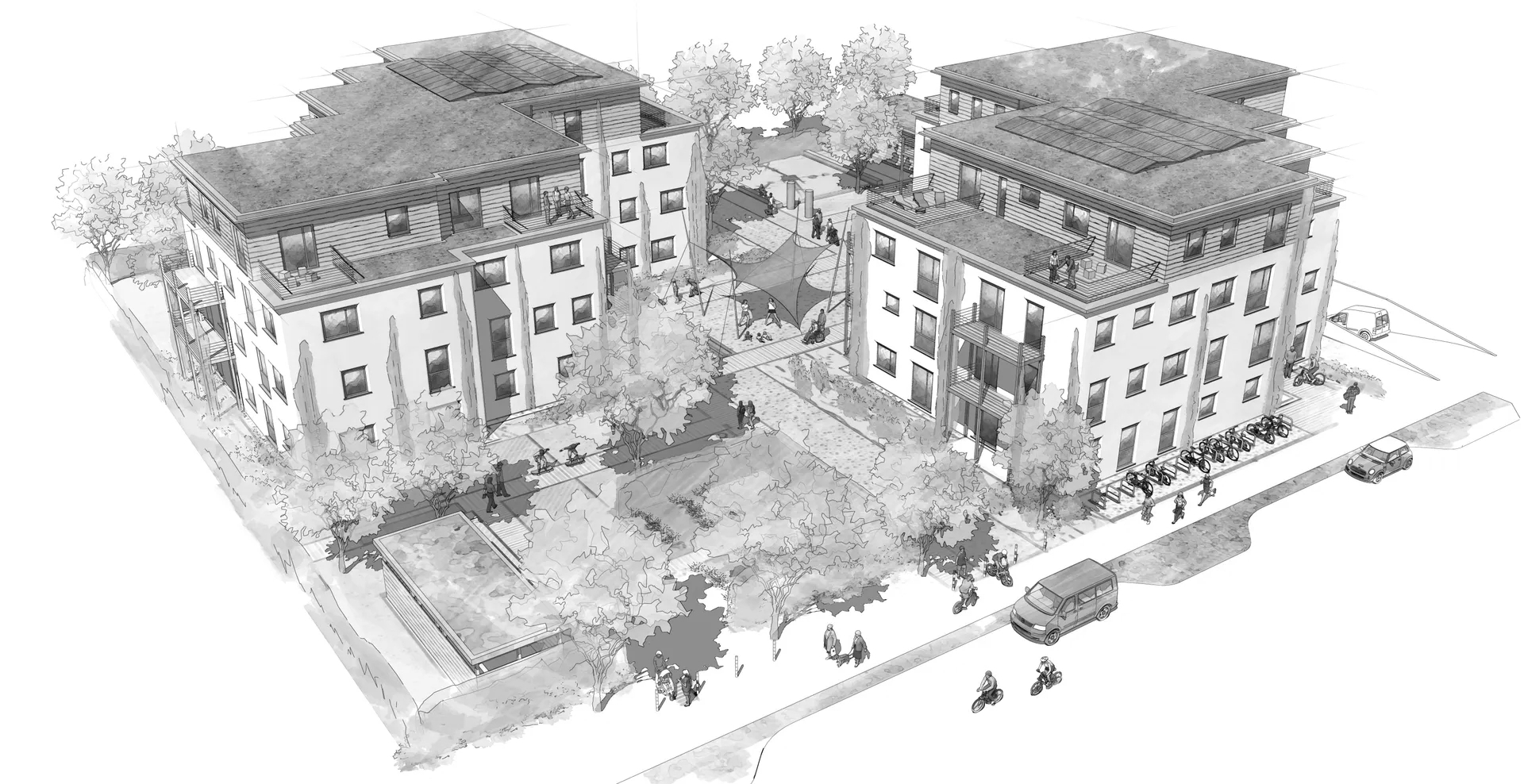
Source: https://querbeet-lueneburg.de/
A place of learning for young and old
The group named itself querbeet (roughly “every which way”) because it has always understood community as diverse. The residents firmly believe that people of different ages and backgrounds can learn a great deal from and benefit from one another. For people of all generations, the variety of ways of life, opinions and values is an enrichment. They can learn a willingness to compromise, tolerance and respectful interaction with one another – or simply not unlearn them, says Heike Virchow, who is looking forward to living in a community and visited us in Hitzacker.
We at the Lehm-Laden believe the strength of the project lies in the fact that it recognises two facts that are simple in themselves and yet often forgotten: people need, on the one hand, other people and, on the other, the earth as their shared basis of life. We wish the building group that their dream of an open community in a pleasant living environment comes true very soon.