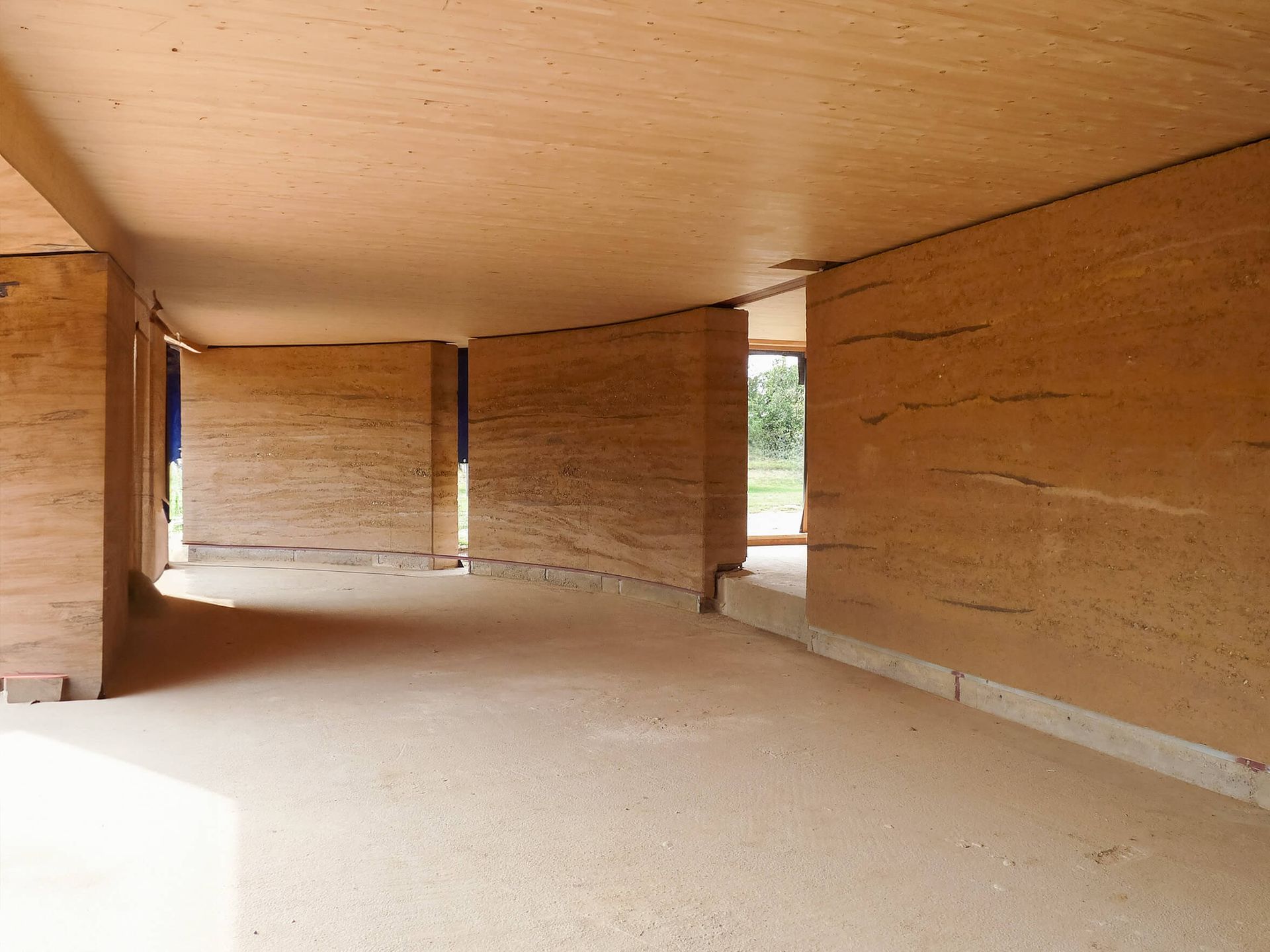
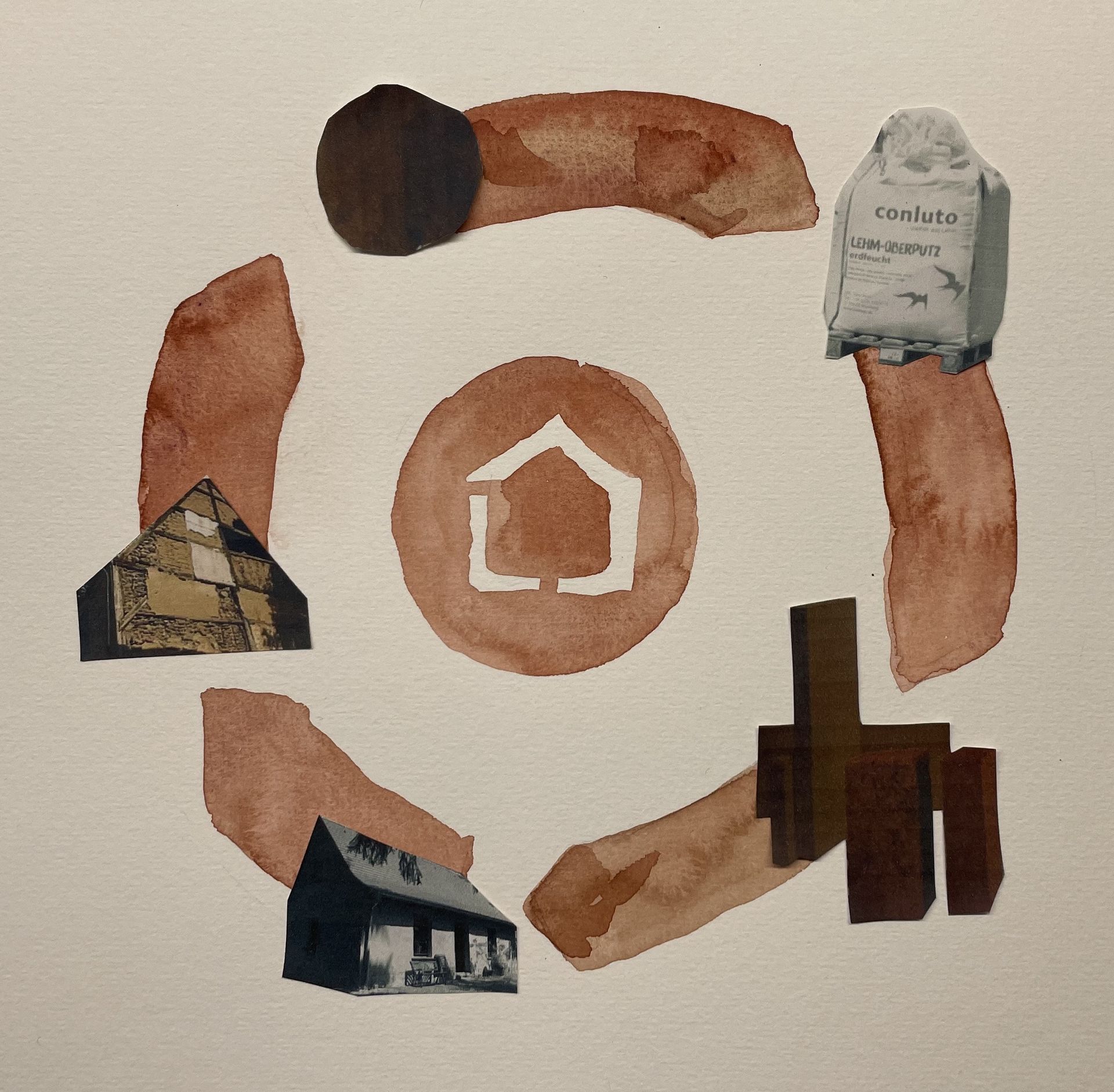
Circular Construction
A circle has no beginning and no end. Our desire to make the way we build more circular is reflected in the shape of the circle and the idea of circular construction.
Hardly any other industry bears as much responsibility for reducing raw material consumption as the construction sector. Current regulatory developments suggest that, in future, we will have to think far more in terms of cycles. What opportunities and possibilities arise in new build and renovation when circularity is taken into account? How can planners and architects integrate circular construction into their work in order to keep raw materials in the cycle permanently?
More and more people are interested in nature-based building projects that meet their own needs. The concept of circular construction has gained considerably in importance in recent years and is today one of the most important pillars of the construction sector. Below, we want to show what circular construction means and how natural building materials such as clay, hemp and lime play a key role in this process.
Circular construction with clay
Circular construction is an innovative approach that aims to use resources efficiently and minimise waste. Unlike conventional linear construction, in which materials are usually disposed of after use, circular construction strives to keep materials and products in a closed loop. This means that materials are reused, recycled and repaired instead of being wasted after use.
The concept of circular construction has come into focus in recent years for a variety of reasons and is more important than ever.
In view of the growing global challenges associated with environmental destruction and the climate crisis, circularity & building biology have become an important concern. Circular construction aims to reduce the consumption of raw materials and minimise waste.
The rising demand for building materials and the associated scarcity of resources have prompted the construction industry to look for alternative approaches to using materials more efficiently. Circular construction promotes the reuse, recycling and reprocessing of building materials.
In many countries there are increasingly legal regulations and standards that promote circularity and quality targets in construction. This is forcing the construction industry to take circular approaches into account in order to ensure compliance with these regulations.
Circular construction can offer economic benefits by reducing raw material costs and extending the service life of buildings. This can help to lower long-term operating costs and increase the profitability of building projects.
The construction industry has begun to develop innovative technologies and practices that make circular construction possible. This has helped to raise awareness of this way of building and to make it easier to implement.
From traditional building material to modern building element
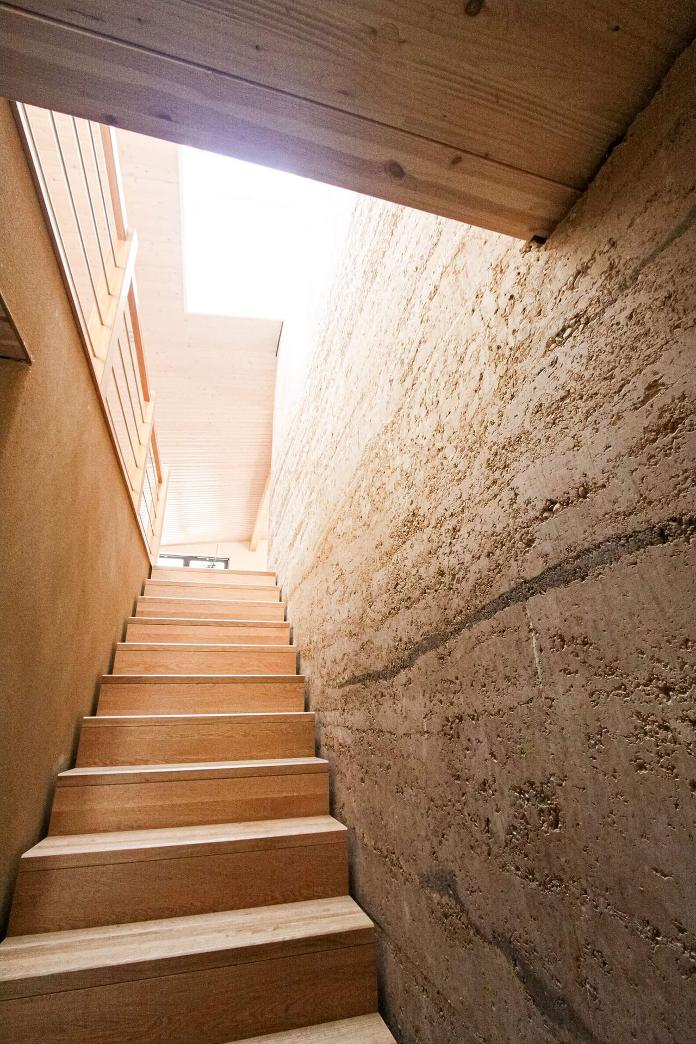
In recent years, there have been a number of important innovations in the field of clay construction. Clay, a building material that is thousands of years old, has been turned into modern systems developed. Earth building projects benefit from prefabricated elements such as clay bricks, clay building boards and clay walls that are manufactured in factories. This speeds up the construction process and increases the quality of the buildings.
The new DIN 18940 for load-bearing clay block masonry makes it possible to design and build entire houses from clay.
New mixes and additives also make it possible to produce high-strength rammed earth that better meets the requirements of modern building projects. These mixes improve strength, insulating capacity and resistance to weathering.
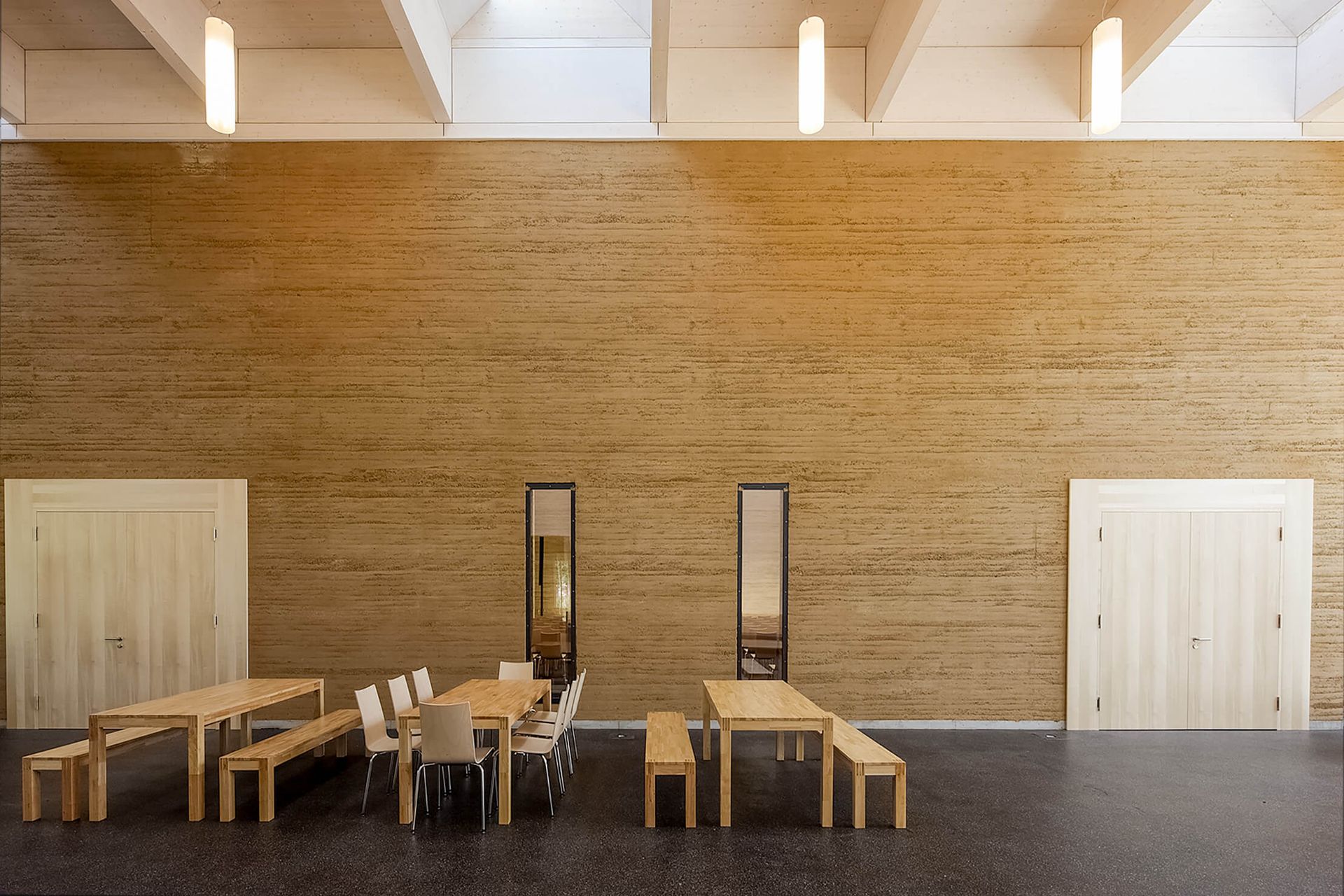
Innovations in clay construction are making a significant contribution to promoting building with natural building materials. Clay construction is not only an alternative made from natural raw materials, but also offers aesthetic and architectural design possibilities that are increasingly valued.

Climate festival for the building transition in Berlin: Together for the future
The Climate Festival for the Construction Transition plays a central role in the effort to steer the construction industry in a new direction. The annual festival attracts experts, creatives, activists and the general public to campaign together for a transformation of the construction sector. It brings together many people from diverse fields and thus offers a wonderful platform for inspiration and networking.
Here, architects, engineers, environmentalists, manufacturers and the public can exchange ideas together and discover innovative solutions for nature-based building. There are many interesting talks, discussions and workshops. The festival encourages the exchange of ideas and the building of networks. It brings people together. And only together can we change something.
Forming a circle, building in cycles
Overall, circular construction is in line with global efforts to reduce resource consumption and promote the circular economy. This approach is expected to continue to gain in importance, as the construction industry must play its part in tackling the environmental impact of building. Clay and modern clay building components play just as central a role here as exchange and networking with others!
Only together can we change something and form a circle that has no beginning and no end. We should stop talking about end consumers or end customers and instead work together to ensure that everything begins anew, again and again! Let's drive the transformation of the construction industry forward together!