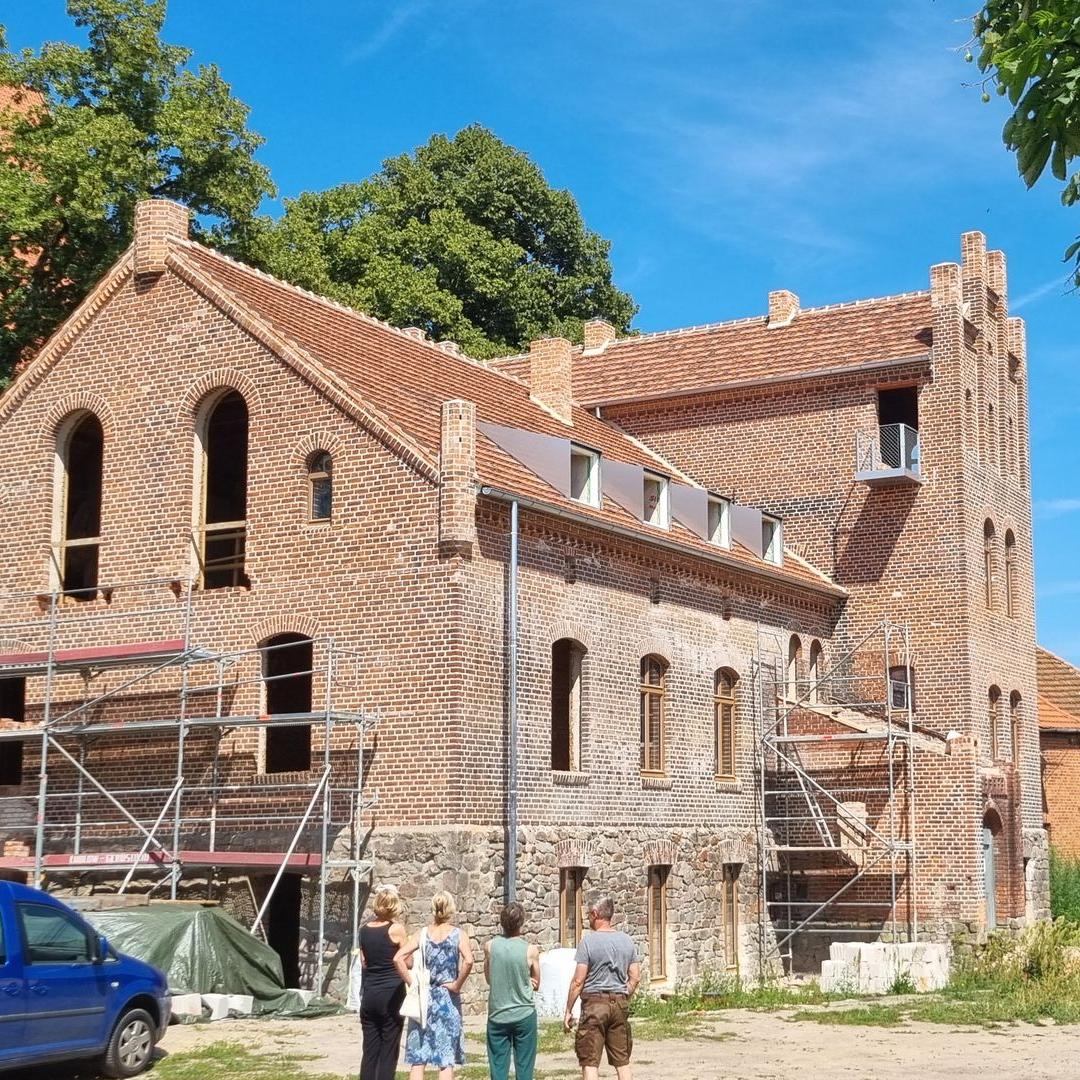
The renovation of the historic commandery in Werben is far more than just a building project. It is an ambitious undertaking with hemp, clay and lime. Under the direction of the young team of architects from the OFEA collective, a building is taking shape that combines tradition with the future.
A cement-free building project that sets an example
Particularly noteworthy is the consistent avoidance of cement. This step makes the Komturei a pioneering project in the region. The choice fell on hemp blocks, clay and lime. Clay plaster can buffer fluctuations in indoor humidity, and hemp blocks insulate with a thermal conductivity of λ = 0.071 W/(m·K).
Hemp blocks: a closer look
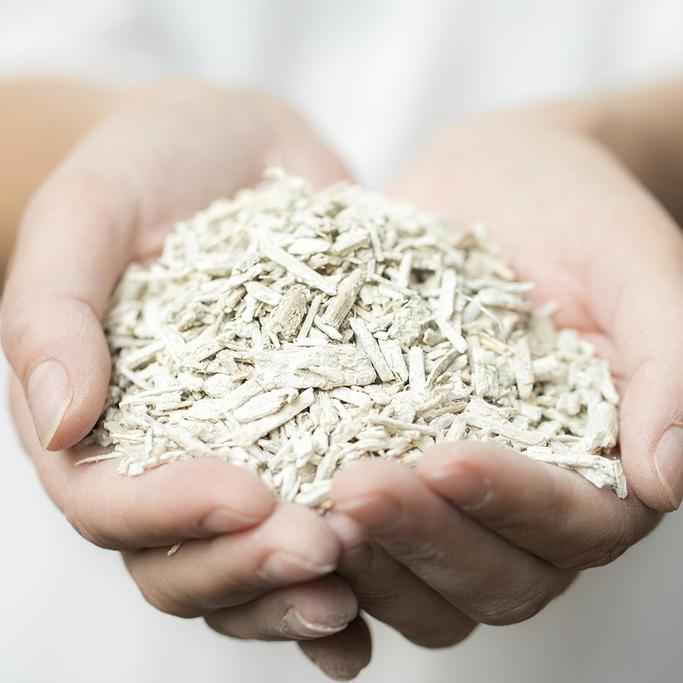
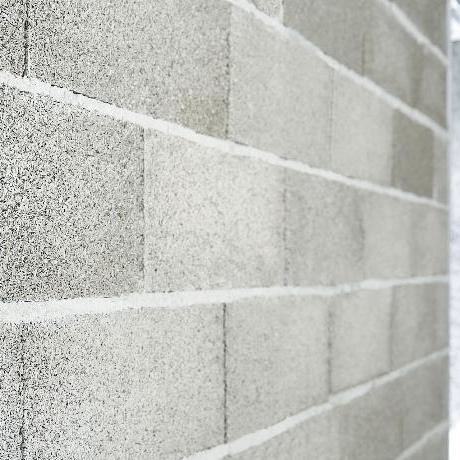
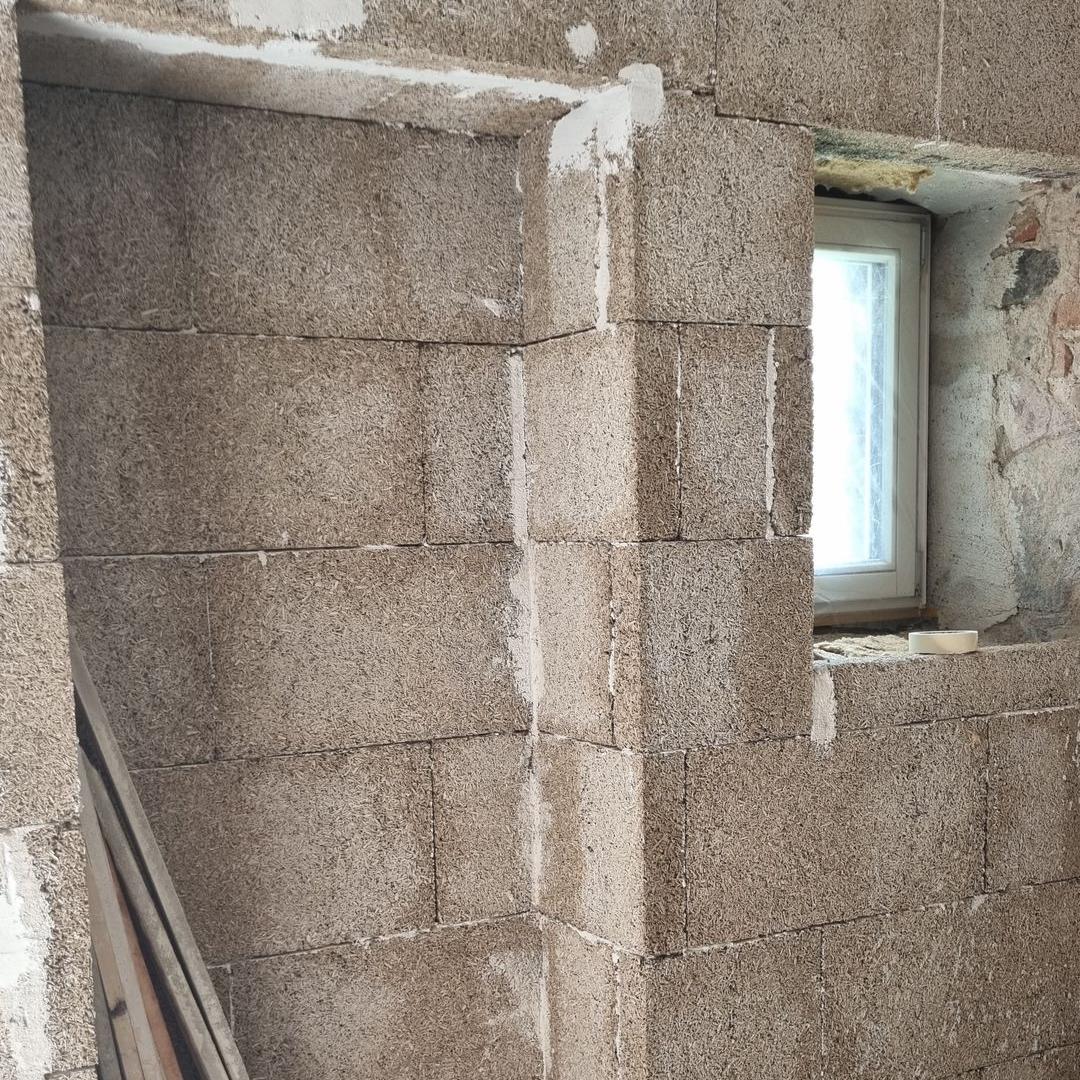
The use of hemp blocks in the basement is a particular highlight of the project. Hemp blocks consist of a mixture of Hemp shives, Lime and water. Their porous structure allows them to absorb moisture and release it again. They are non-load-bearing, and according to the manufacturer a 36 cm wall achieves a sound insulation of Rw 44 dB.
Other building materials
Alongside the hemp blocks, other building materials are used:
- clay: Clay plaster can buffer fluctuations in indoor humidity.
- Wood fibre insulation boards: These serve as insulation. Wood fibre insulation boards are made of wood fibre.
- Lime plaster: Lime plaster can buffer fluctuations in indoor humidity.
- Lime screed: The lime screed used in the basement is a mineral floor covering made without cement.
Challenges and innovative solutions
The renovation of the Komturei involved numerous challenges. The heritage authorities imposed strict requirements to preserve the historic character of the building. At the same time, modern requirements for energy efficiency and accessibility had to be met. The OFEA collective found creative solutions to reconcile these seemingly contradictory requirements.
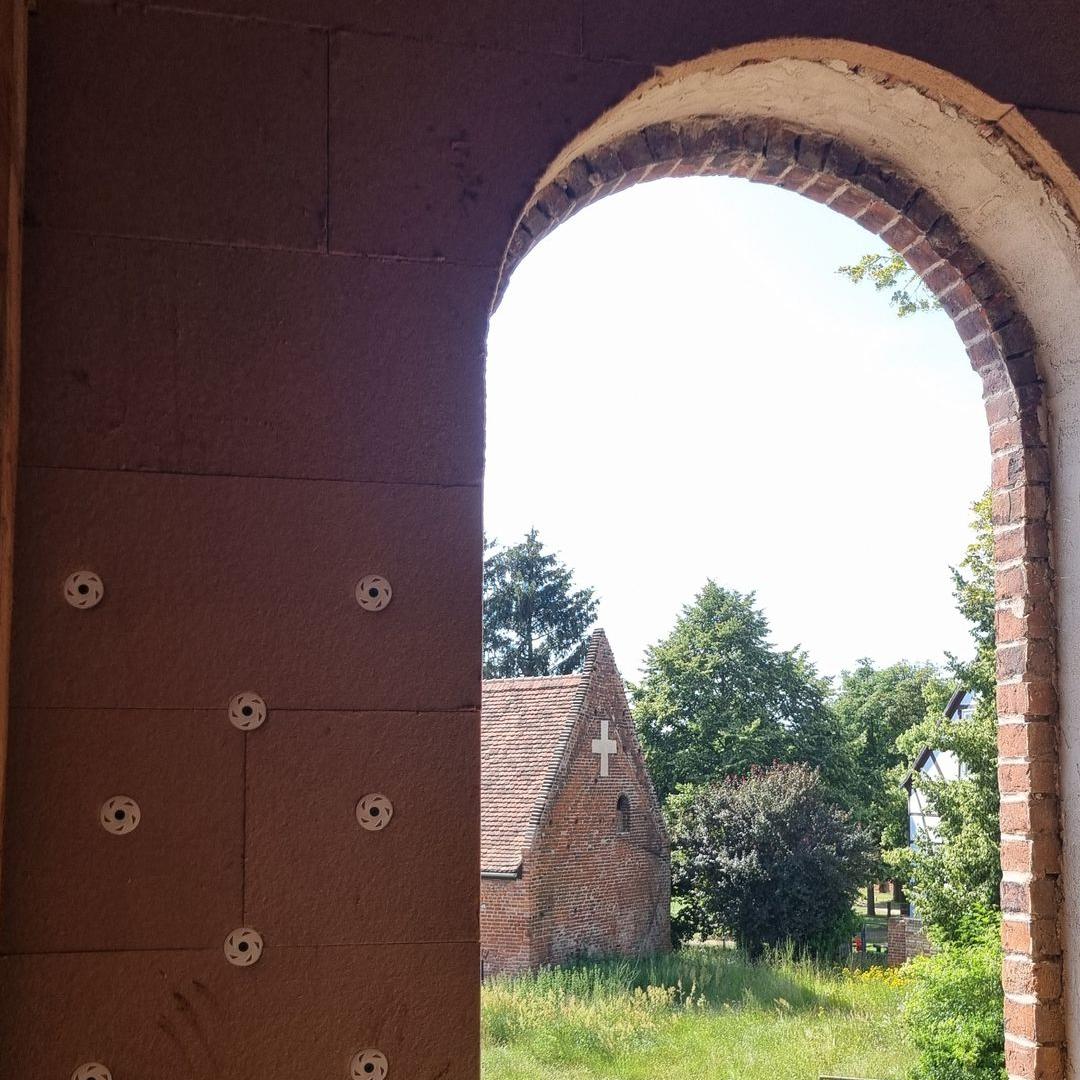
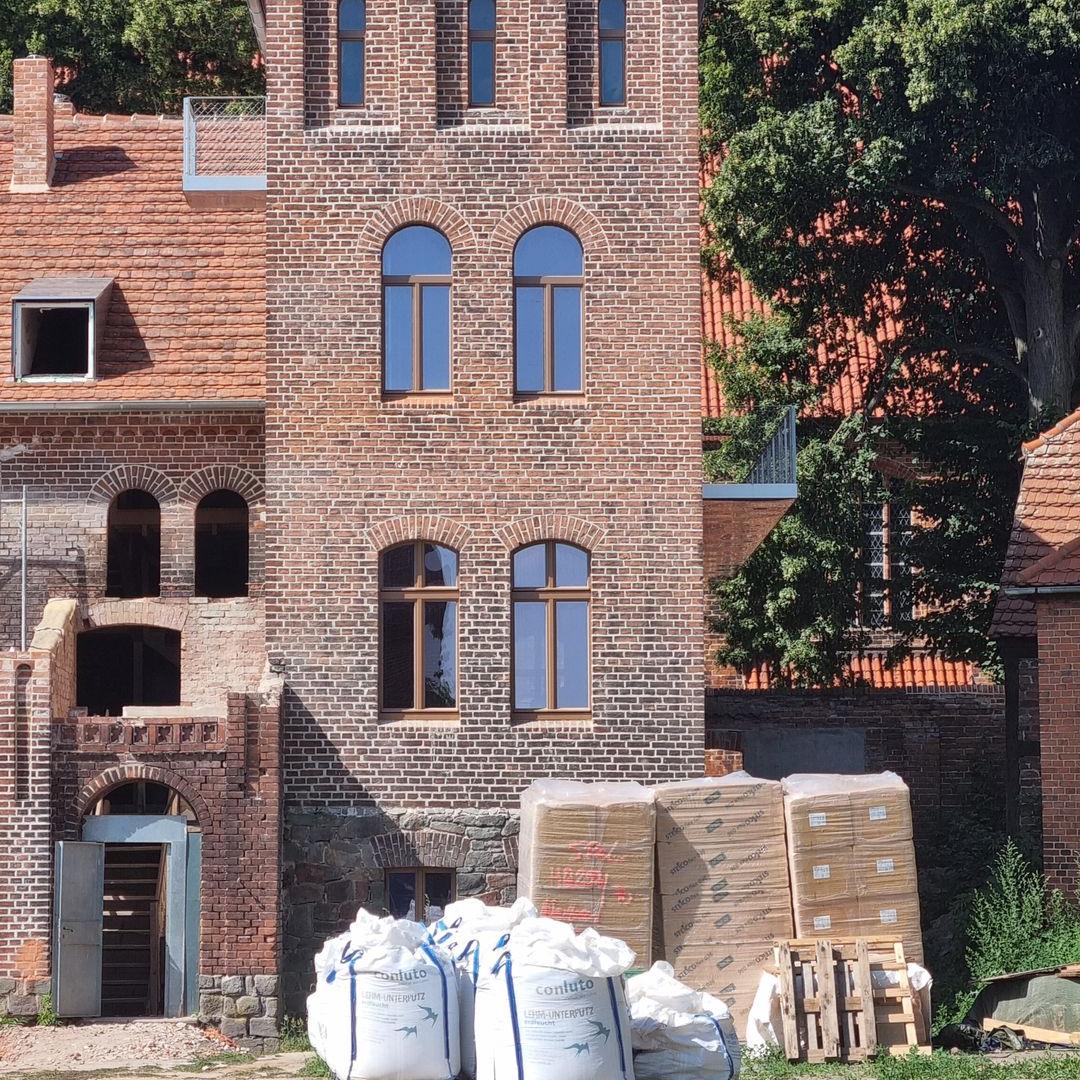
One example of this is the careful selection of a insulation system, which was adapted to the historic timber beam structures. To protect the building fabric from structural damage, it quickly became clear that only capillary-active systems were an option. After careful consideration, in which construction costs also played a role, we ultimately decided on hemp and lime as the building materials in the basement, and a Interior insulation made of wood fibre with clay plaster and clay mortar for the upper floors, as these build-ups meet the requirements of heritage conservation. 'We searched for a long time for an insulation system that is gentle on the historic timber beam structures', explains Jakob. With this system we can protect the historic fabric.
Cellulose was used in the roof. Mineral wool was used only in the area around the chimneys. This is necessary for fire protection reasons.
Financing and subsidies
Financing such a large-scale project is complex. In addition to own funds, grants from the urban development funding programme were used, which support the renovation of listed buildings. This funding made it possible to carry out the project.
Outlook
The renovation of the Komturei is an important step for the municipality of Werben. The building will not only become a new centre of village life but also an attraction for tourists. Letting the holiday flats in the administrator's house is intended to help boost tourism in the region.
Future plans
The further development of the long stable will be particularly exciting. A "house-within-a-house principle" is planned here. In the long term, the plan is to renovate further parts of the commandery buildings and open them up for a variety of uses. The aim is to create a vibrant place that preserves the history of the site while at the same time providing fresh impetus.
A model for the future
The Komturei in Werben shows how historic buildings can be renovated with hemp, clay and lime. It is a model for everyone committed to preserving our cultural heritage.
"For me, the renovation of the commandery is more than just a building project," Jakob emphasises. "It’s a project close to my heart, where we want to show that historic building and modern requirements can go hand in hand." "Doing without cement was a deliberate decision for us," Jakob continues.
Would you like to find out more about building with hemp, clay and lime or carry out your own building project? Then feel free to get in touch with us! We’ll be happy to advise you and support you in carrying out your building plans.