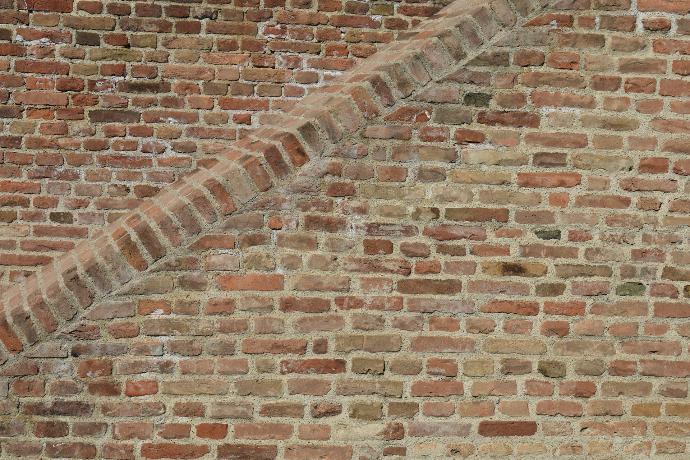
Historic bricks – choosing the right mortar and plaster
Historic bricks shape the appearance of brick villas, Gründerzeit houses, old industrial buildings and North German clinker facades. Anyone renovating, adding to or plastering this masonry faces a crucial question: which mortar and which plaster are truly compatible with the existing fabric?
The answer depends on what distinguishes historic bricks from modern materials – and why the wrong products do more harm than good in the long term.
The right masonry mortar for old brickwork
Historic bricks are softer and more porous than today's machine-made bricks. That is exactly what makes them valuable – and vulnerable. Anyone who uses hard, cement-based material for laying or pointing risks spalling damage: the rigid mortar forces moisture into the softer brick, salts crystallise out and the brick face spalls off.
The principle of conservation-compliant renovation is therefore: the mortar must be softer than the brick. Vapour-permeable, flexible and mineral – clay- or lime-based.
Clay masonry mortar, heavy
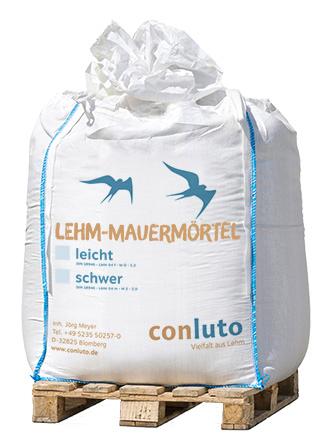
The classic mortar for historic brick masonry indoors and in sheltered outdoor areas. Clay-based, fully mineral, highly plastic and easy to work with. Adapts to the pore structure of old bricks without causing moisture build-up. Ideal for clay block walls, timber-frame infill panels and historic interior brick walls.
Saint-Astier EcoMortar
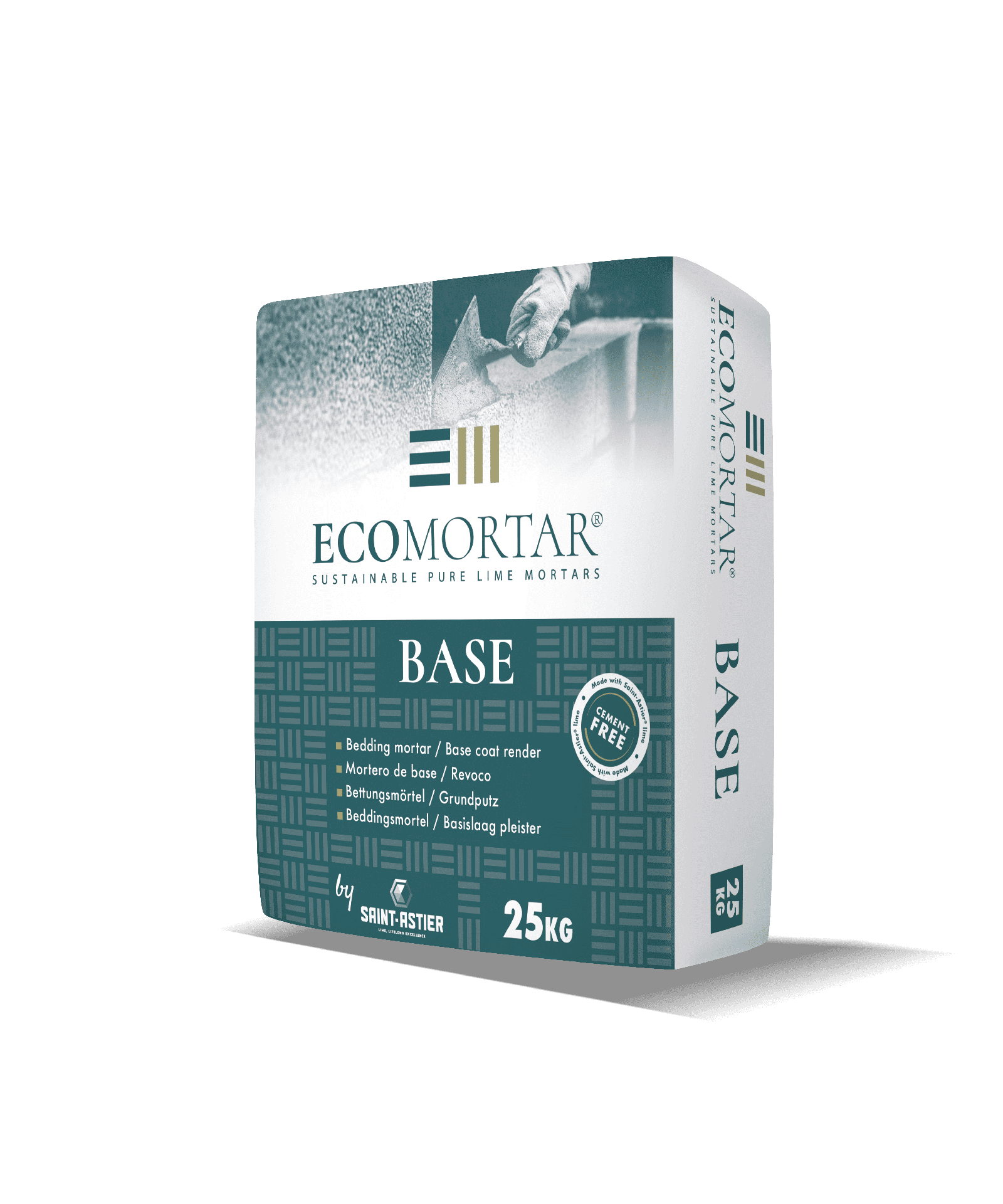
Hydraulic lime mortar based on natural hydraulic lime (NHL) from the Périgord region of France. Proven in heritage conservation for moisture-exposed external walls, plinths and masonry subject to driving rain. Soft enough to protect old bricks – strong enough for exterior use. Certified for listed buildings.
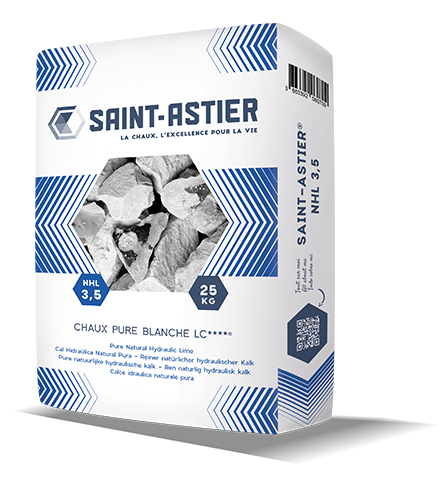
NHL 3.5 – Natural Hydraulic Lime
The basis for custom mortar mixes on site. NHL 3.5 is the most commonly used strength class for the restoration of historic masonry: hydraulic enough for exterior use, yet soft enough not to overstress old bricks. For experienced tradespeople who mix their own mortar.
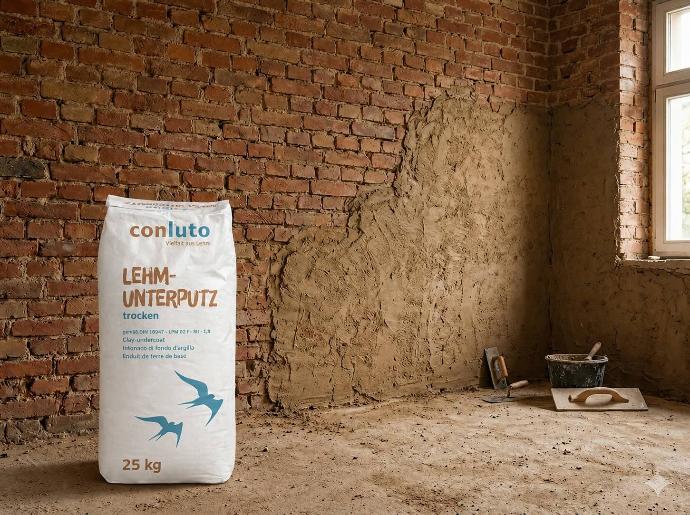
Historic brick masonry as a substrate for clay and lime plaster
Old brick masonry is an excellent substrate for plaster – provided the plaster suits its properties. The open pore structure of old bricks calls for plasters that can absorb, store and release moisture again. Gypsum plasters, emulsion paints or systems containing synthetics are out of place here: they seal the wall, moisture builds up, and mould and damage follow.
Clay and lime plasters are the historically proven answer to this requirement – and that is why they work particularly well on old brick masonry:
Clay plasters adhere excellently to absorbent brick substrates, can buffer fluctuations in indoor humidity and can be reworked or patched at any time. They are the material of choice for interior walls made of historic brick.
Lime plasters are the first choice for exterior walls and plinth areas exposed to moisture. Vapour-permeable, inherently mould-inhibiting thanks to their alkalinity, and durable – like the original coatings that have survived for centuries on old brick walls.
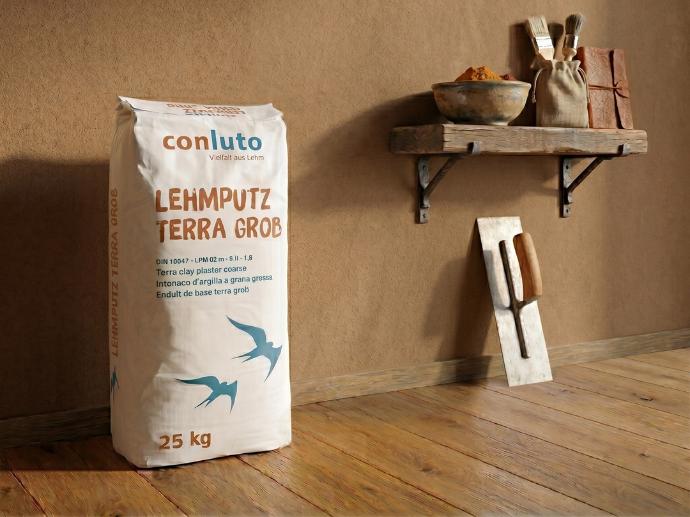
conluto clay plasters
The clay plasters from conluto are specially developed for application on mineral substrates such as brick masonry. Whether coarse base plaster, smooth fine plaster or decorative finish plaster, the system components are matched to one another and can be applied to historic brick masonry in accordance with good trade practice.